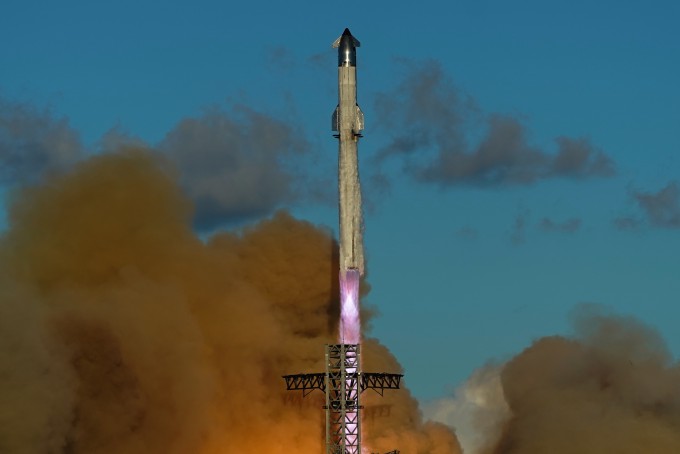
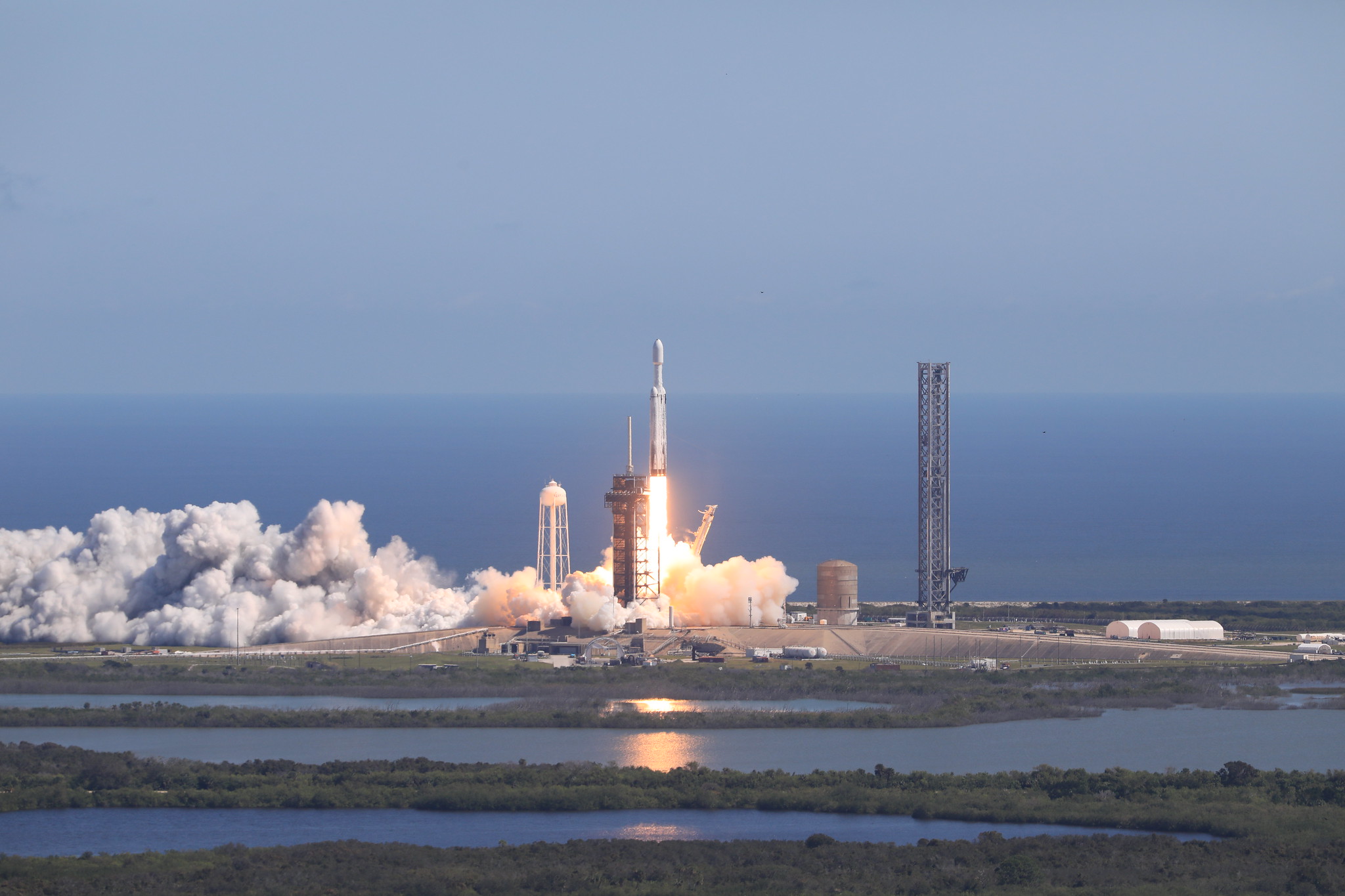
CAPE CANAVERAL, Fla. — Commuters and aerospace spotters along Florida’s newly designated State Road 321—formerly known as Space Commerce Way—witnessed a monumental spectacle this week as NASA rolled out its colossal Space Launch System (SLS) rocket to historic Launch Pad 39B. The move marks a critical heartbeat for the agency's upcoming lunar ambitions, even as private aerospace juggernauts accelerate their own cadence of orbital launches.
The sluggish, deliberate crawl of the massive crawler-transporter carrying the multi-billion-dollar rocket captured the attention of global markets and space enthusiasts alike. For Wall Street and defense analysts, the milestone represents more than just a visual engineering triumph; it signals the tangible progression of the Artemis campaign, a multi-trillion-dollar ecosystem involving legacy aerospace contractors, cutting-edge software suppliers, and burgeoning lunar infrastructure plays.
The SLS Rollout: Engineering Marvel Meets Economic Reality
As the SLS core stage and its associated hardware inched toward the launchpad, engineers began a rigorous series of integrated tests designed to simulate terminal countdown procedures. This critical phase evaluates propellant loading, avionics synchronization, and ground support infrastructure reliability.
However, the economic stakes surrounding NASA’s heavy-lift architecture remain a subject of intense boardroom debate. While the SLS boasts unmatched throw-weight capability to direct-injection translunar orbits, its per-launch price tag faces increasing scrutiny from fiscal hawks and competing commercial paradigms championed by firms like SpaceX and Blue Origin.
Industry stakeholders are closely monitoring how NASA balances its traditional cost-plus contracting models with fixed-price commercial service agreements. The success of this upcoming test sequence is paramount for maintaining investor confidence across the aerospace supply chain.
- Strategic Milestone: The SLS rollout to Pad 39B sets the operational baseline for upcoming crewed lunar flybys and surface landing architectures.
- Infrastructure Evolution: The renaming of Space Commerce Way to State Road 321 highlights the expanding regional footprint and public-private synergy on the Space Coast.
- Market Implications: Defense contractors and hardware suppliers view the current test campaign as a key indicator of 2026 federal aerospace spending efficiency.
- Global Competitiveness: The accelerated timeline underscores the strategic imperative of maintaining American leadership in deep-space exploration against international rivals.
Weekly Space Digest: Key Metrics and Market Data

Beyond the headline-grabbing SLS rollout, the past week in aerospace featured critical developments ranging from commercial satellite deployment to regulatory shifts governing orbital commerce. Here is a quick snapshot of the essential data points defining the current space economy:
| Event / Metric | Primary Entity | Significance / Impact |
|---|---|---|
| SLS Pad 39B Rollout | NASA / Florida Today | Initiates critical wet dress rehearsal and countdown testing phases for deep-space hardware. |
| State Road 321 Realignment | Florida Department of Transportation | Reflects booming commercial traffic and regional infrastructure growth around Cape Canaveral. |
| Commercial Launch Cadence | Private LEO Providers | Maintains a record-breaking operational tempo with weekly payload deployments. |
| Lunar Supply Chain Index | Aerospace Defense Sector | Shows steady institutional backing amid shifting federal budgetary priorities. |
Broader Implications for the Global Space Economy
The convergence of state infrastructure updates—such as the transition of Space Commerce Way to State Road 321—and federal mega-projects illustrates the dual-engine nature of modern space exploration. Public sector funding continues to underwrite high-risk, deep-space exploration, while private capital floods into low Earth orbit (LEO) manufacturing, satellite constellations, and in-space resource utilization.
Economists tracking the space sector point out that every successful rollout and static fire test directly influences risk premiums for aerospace insurers and valuation multiples for publicly traded space technology firms. As supply chains mature, the ability to execute complex operations on tight schedules will separate market leaders from speculative ventures.
Looking Ahead: What to Watch Next
As the SLS sits perched on Pad 39B, all eyes turn to the execution of the wet dress rehearsal. A successful test will validate ground systems and confirm readiness for flight operations later this year. Meanwhile, commercial spaceports along the Florida coastline are preparing for an aggressive slate of commercial missions, ensuring that the Space Coast remains the undisputed epicentre of the global aerospace renaissance.
Frequently Asked Questions
What is the significance of the NASA SLS rocket rollout this week?
The rollout of the Space Launch System to historic Launch Pad 39B initiates critical integrated testing, including wet dress rehearsals, which are vital precursors to upcoming Artemis mission operations and deep-space exploration schedules.
Why was Space Commerce Way renamed State Road 321?
The roadway designation update by local and state authorities reflects the rapid commercialization, infrastructural expansion, and soaring traffic volume supporting the booming aerospace sector around the Cape Canaveral spaceport complex.
Historical Context, Comparative Benchmarks & Institutional Risk Assessment
To fully evaluate the trajectory of 321 Launch: Space news you may have missed over the past week (Jan. 26) within the broader Space & Cosmos landscape, policy researchers and institutional analysts compare current field indicators against multi-year structural baselines. Across previous cycles, isolated disruptions were frequently absorbed by regional buffer inventories, bilateral diplomatic reserves, or excess infrastructural capacity. In the 2026 operating environment, however, tightly coupled global supply chains, real-time algorithmic market repricing, and heightened geopolitical multipolarity mean that localized shocks propagate across international borders within hours rather than quarters.
Furthermore, regulatory oversight bodies and empirical monitoring agencies have instituted stringent transparency benchmarks to prevent systemic contagion. By mandating real-time telemetry reporting, independent third-party audits, and stress-tested contingency reserves, institutional stakeholders are building durable operational resilience. Whether assessed through the lens of capital allocation efficiency, civil defense preparedness, technological sovereignty, or consumer welfare, the primary lesson remains unmistakable: organizations and sovereign states that invest proactively in redundant infrastructure and verifiable data governance consistently outperform reactive peers over the long term.
Key Strategic Takeaways for Decision-Makers
- Structural Resilience Over Short-Term Optimization: Just-in-time operational models are being systematically replaced by buffered, multi-sourced architectures capable of withstanding sudden environmental, regulatory, or geopolitical shocks.
- Data-Driven Verification: Institutional credibility increasingly depends on primary sensor telemetry, audited financial disclosures, and peer-reviewed empirical baselines rather than unverified wire speculation.
- Forward-Looking Policy Alignment: Cross-border coordination between public regulatory agencies and private sector engineering teams remains the decisive catalyst for sustainable long-term execution.