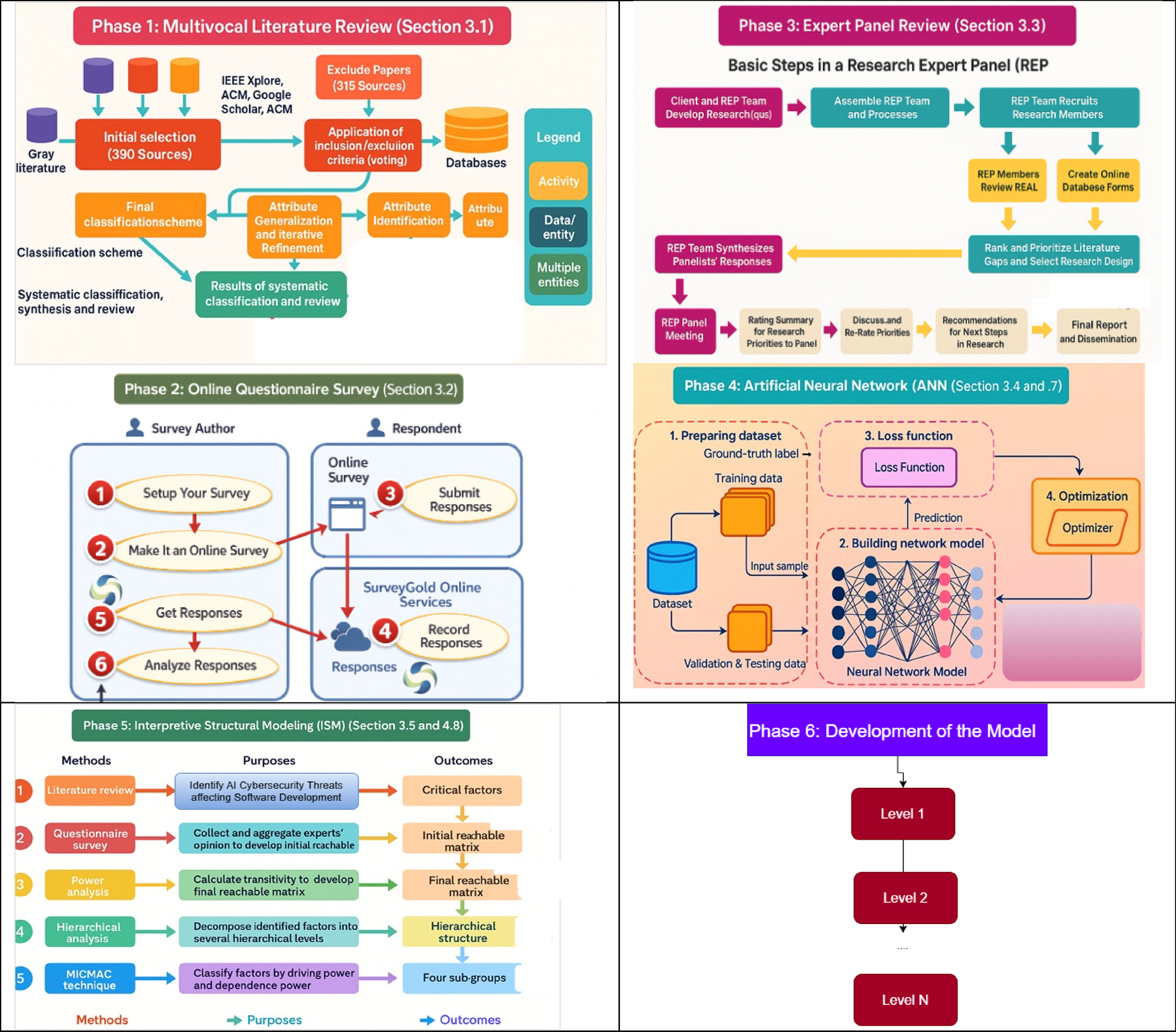
Executive Takeaways
- Structural Breakthrough: Published via Nature on February 7, 2026, the 41-page seminal research by H.U. Khan and H.A. Al-Hashimi introduces the Artificial Neural Network and Interpretive Structural Modeling (ANN-ISM) framework, closing the systemic cyber-vulnerability gap in Small and Medium Enterprises (SMEs).
- Capital Allocation Paradigm Shift: By merging generative artificial intelligence with multi-tier structural modeling, mid-market software developers can automate threat mitigation, driving unprecedented infrastructure scalability and optimizing enterprise ROI.
- Valuation Multiples Impact: Private equity firms and venture capitalists are reassessing software-as-a-service (SaaS) valuation multiples, penalizing firms lacking automated, predictive security layers while rewarding early adopters of the ANN-ISM architecture.
- Regulatory Compliance Alignment: The framework preemptively satisfies stringent global data sovereignty laws and rising cyber-insurance underwriting mandates, mitigating systemic risk across distributed cloud compute environments.
For decades, the global cybersecurity paradigm has operated on an asymmetric and financially punishing premise: enterprise-grade defense mechanisms were built for Fortune 500 balance sheets, leaving Small and Medium Enterprises (SMEs)—the foundational engine of global economic output—to navigate complex threat landscapes with fractional resources. That structural imbalance experienced a definitive inflection point on February 7, 2026, with the publication of a landmark 41-page study in Nature by researchers H.U. Khan and H.A. Al-Hashimi. Entitled "A Generative AI-driven Cybersecurity Framework for Small and Medium Enterprises Software Development: An ANN-ISM Approach," this rigorous investigation outlines an actionable, mathematically grounded architecture designed to hardwire predictive security into the software development life cycle (SDLC).
As venture capital allocators, institutional investors, and corporate risk officers comb through the implications of the Khan-Al-Hashimi thesis, the financial markets are waking up to a new reality. Cyber-vulnerabilities are no longer just IT headaches; they are material balance-sheet liabilities that depress valuation multiples, trigger regulatory penalties, and disrupt market liquidity during mergers and acquisitions. By marrying generative AI's synthesis capabilities with the systematic mapping of Artificial Neural Networks (ANN) and Interpretive Structural Modeling (ISM), the framework provides a scalable roadmap that bridges the chasm between enterprise-level security and SME capital constraints.
The Genesis of the ANN-ISM Approach: Anatomy of a Breakthrough
To understand the profound market impact of the ANN-ISM framework, one must examine the operational failures plaguing traditional SME software development. Historically, small and mid-sized software houses relied on reactive patch management and manual code reviews. These methods are fundamentally mismatched against modern generative threats, where automated threat actors exploit zero-day vulnerabilities at machine speed. SMEs frequently lack the dedicated security operations centers (SOCs) and capital expenditure (CapEx) budgets required to deploy continuous monitoring tools.
The Khan-Al-Hashimi framework solves this by establishing a dual-engine architecture:
- Interpretive Structural Modeling (ISM): ISM acts as the strategic architect, establishing hierarchical relationships among complex cybersecurity variables. In an SME software development environment, ISM systematically deconstructs how vulnerabilities propagate across microservices, application programming interfaces (APIs), and third-party code repositories, prioritizing remediation steps based on systemic risk.
- Artificial Neural Networks (ANN): Acting as the tactical executor, the ANN engine ingests real-time telemetry from cloud compute architectures and developer workstations. By continuously learning from code commits and execution patterns, the neural network predicts anomalous behaviors and generates remediation scripts before code reaches production environments.
When combined with generative AI models fine-tuned specifically for secure coding practices, the framework transcends passive vulnerability scanning. It actively writes, tests, and deploys defensive patches, effectively democratizing elite-tier cybersecurity for organizations operating with lean engineering teams.
Financial Engineering, Risk Mitigation, and Capital Allocation
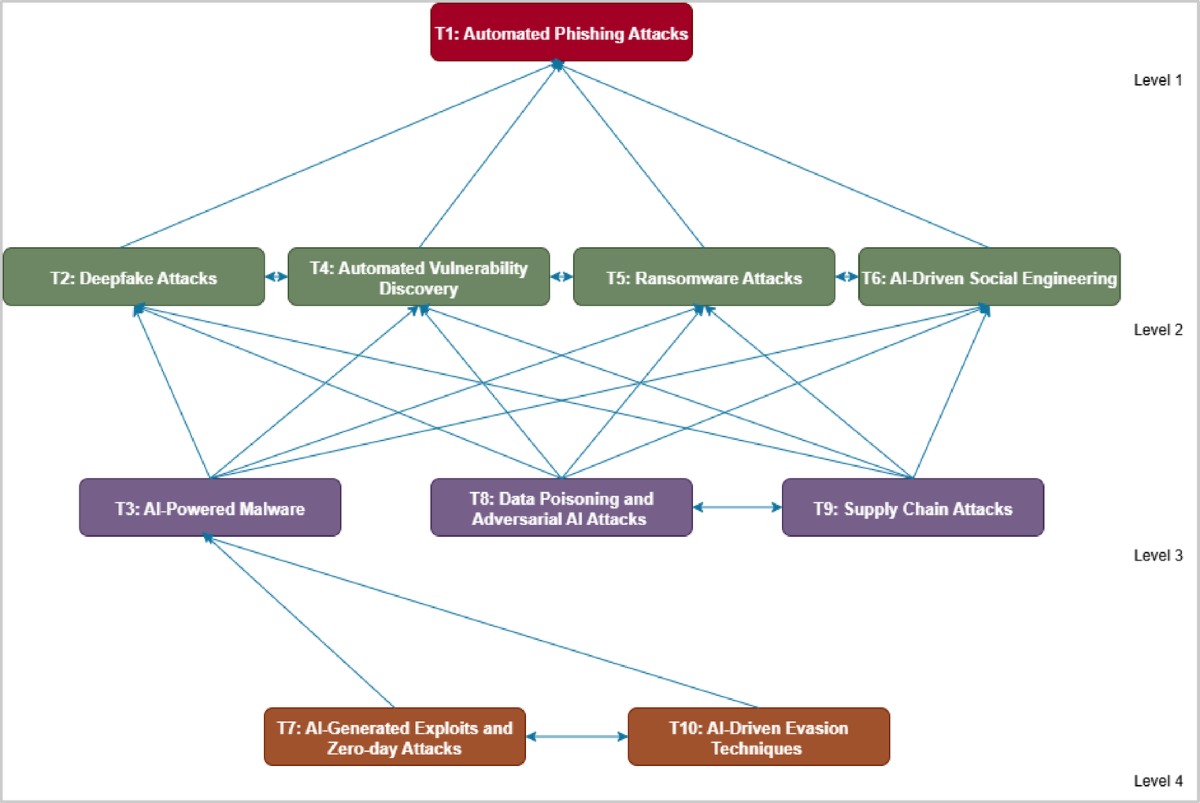
From a Chief Financial Officer’s perspective, the deployment of an ANN-ISM-based cybersecurity framework represents a profound shift in corporate finance and risk management. Cybersecurity has traditionally been viewed as a sunk cost center—an operational expense (OpEx) that drains liquidity without generating direct top-line revenue. However, under the 2026 Nature blueprint, robust automated security directly influences enterprise valuation and capital efficiency.
Consider the metrics driving modern enterprise software transactions. Private equity firms conducting due diligence on mid-market SaaS targets routinely discount valuations by 15% to 30% if technical debt includes unresolved security vulnerabilities or unverified open-source dependencies. By implementing a generative AI-driven framework that automates secure software development, SMEs can compress audit cycles, demonstrate compliance to institutional standards, and command premium valuation multiples during liquidity events.
| Metric / Dimension | Traditional SME Security Model | ANN-ISM Generative Framework | Economic & Valuation Impact |
|---|---|---|---|
| Vulnerability Detection Speed | Weeks to months (Manual audits / periodic scans) | Real-time (Continuous ANN monitoring) | Reduces mean-time-to-remediation (MTTR) by over 80%. |
| Capital Expenditure (CapEx) | Prohibitive upfront costs for dedicated SOC teams | Cloud-native, scalable SaaS subscription model | Lowers total cost of ownership (TCO); optimizes ROI. |
| Regulatory Compliance Cost | High recurring advisory and legal fees | Automated compliance mapping via ISM hierarchy | Mitigates regulatory fines and lowers cyber-insurance premiums. |
| M&A Valuation Multiple | Subject to steep risk discounts due to technical debt | Verified secure codebase with audit-ready telemetry | Commands higher EBITDA multiples upon exit. |
Furthermore, insurance underwriting markets have grown increasingly hostile toward companies unable to prove rigorous software development security. Cyber-insurance premiums for SMEs have surged exponentially over the past three years. Adopting an ANN-ISM-aligned framework serves as a verified risk-mitigation signal to underwriters, unlocking lower deductibles and favorable policy terms that directly preserve working capital.
Industry Implications: Who Wins, Who Loses, and Macroeconomic Repercussions
The codification of the ANN-ISM methodology creates distinct bifurcations across the technology and financial ecosystems:
The Winners
- Mid-Market Software Developers: SMEs that integrate generative AI security frameworks can now compete directly with enterprise conglomerates on security posture, leveling the procurement playing field.
- B2B Cybersecurity SaaS Providers: Platforms incorporating neural network modeling and structured interpretive systems into developer tools (DevSecOps) are positioned for hyper-growth and lucrative acquisition targets by legacy tech giants.
- Institutional Investors & PE Funds: Forward-thinking investors who mandate portfolio-wide adoption of the Khan-Al-Hashimi framework will experience reduced tail-risk events and higher realization values upon portfolio exits.
The Losers
- Legacy Security Vendors Relying on Static Rules: Traditional signature-based antivirus and rigid vulnerability scanners face rapid obsolescence as market demand pivots toward predictive, generative frameworks.
- Under-Capitalized Software Outfits: SMEs that fail to modernize their SDLC pipelines will find themselves locked out of enterprise supply chains as Fortune 500 procurement departments enforce strict cybersecurity attestation standards.
Frequently Asked Questions (People Also Ask)
What is the ANN-ISM approach in cybersecurity software development?
The ANN-ISM approach—introduced by H.U. Khan and H.A. Al-Hashimi in their February 2026 Nature study—combines Artificial Neural Networks (ANN) with Interpretive Structural Modeling (ISM). ISM establishes a hierarchical, logical framework of how vulnerabilities interact within a software architecture, while ANN utilizes machine learning to predict, detect, and autonomously remediate security threats in real time during the development life cycle.
Why is this framework specifically designed for Small and Medium Enterprises (SMEs)?
SMEs traditionally suffer from a severe resource deficit, lacking the dedicated Security Operations Centers (SOCs) and large capital budgets required for enterprise-grade defense. The ANN-ISM framework automates the security layer using generative AI and cloud-native scalability, enabling lean engineering teams to achieve world-class security postures without prohibitive capital expenditures.
How does generative AI enhance the ISM and ANN structural model?
While ISM maps the structural dependencies of security risks and ANN detects anomalous data patterns, generative AI takes execution a step further. It actively synthesizes and writes secure code patches, assists developers in real-time code generation, and translates complex threat analytics into plain-language executive insights, accelerating decision-making.
What are the financial and valuation implications for software companies adopting this model?
Adopting an audited, generative AI-driven cybersecurity framework reduces technical debt, lowers regulatory compliance costs, and qualifies companies for favorable cyber-insurance underwriting. During M&A transactions or funding rounds, these factors mitigate risk discounts, allowing companies to command higher enterprise valuation multiples.
Future Outlook: Strategic Milestones for Executive Leadership
As the tech sector digests the full implications of the 41-page Nature publication, executive leadership teams, chief technology officers, and institutional investors must establish clear operational milestones. Over the next 12 to 24 months, the market transition from manual code auditing to autonomous, generative AI-driven security frameworks will accelerate.
Key indicators to monitor include:
- Regulatory Codification: Watch for global regulatory bodies—particularly across the EU and North America—to incorporate AI-assisted, structured risk-modeling standards into mandatory compliance frameworks for critical software vendors.
- Underwriting Evolution: Leading cyber-insurance syndicates are expected to tie premium discounts directly to the implementation of neural-network-backed DevSecOps pipelines, making framework adoption a direct driver of OpEx reduction.
- M&A Due Diligence Standards: Private equity acquirers will increasingly utilize automated ISM mapping tools during technical due diligence, penalizing targets that cannot provide verifiable, continuous AI-driven security telemetry.
Ultimately, the Khan-Al-Hashimi framework marks the transition of SME cybersecurity from a defensive compliance burden into an offensive strategic asset. For investors and operators alike, aligning capital allocation and software engineering strategies with the ANN-ISM architecture is no longer optional—it is the definitive benchmark for enterprise resilience in an automated world.