
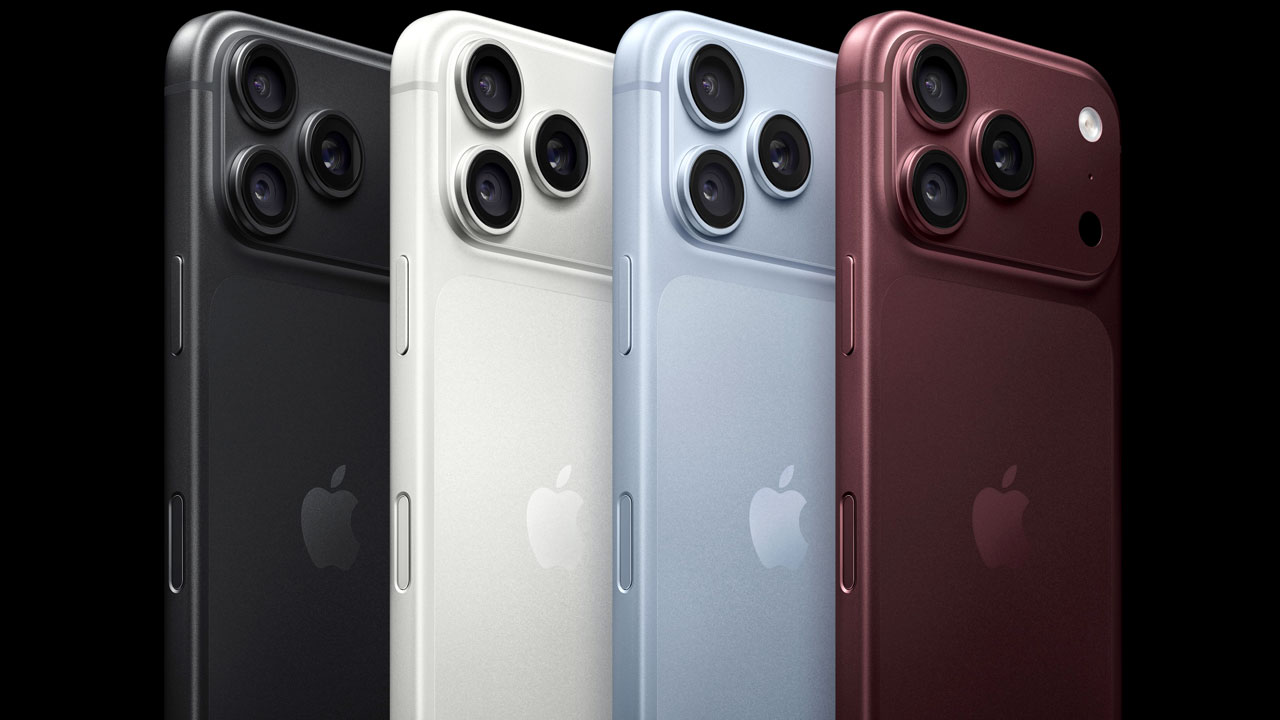
NEW YORK/TOKYO/LONDON — The digital age was supposed to render the brick-and-mortar queue obsolete, yet history repeated itself on Friday as millions of eager consumers formed snaking lines outside Apple Stores from Tokyo to New York. The global launch of the iPhone 18 marks another watershed moment for the world's most valuable technology company, proving that despite broader macroeconomic uncertainties and a saturated smartphone market, the appetite for Apple’s flagship hardware remains insatiable.
From the Ginza district in Tokyo to Fifth Avenue in Manhattan, die-hard fans braved overnight weather and hours of waiting to secure the first wave of devices. Market analysts note that this year’s launch carries higher stakes than previous iterations, acting as a crucial barometer for consumer discretionary spending and the mainstream viability of Apple’s latest integrated hardware advancements.
What Happened: The Global Rollout Unfolds
At 8:00 AM local time across major global time zones, glass doors swung open to orchestrated applause from retail employees. The iPhone 18 lineup—featuring the base model, the iPhone 18 Plus, and the highly anticipated iPhone 18 Pro and Pro Max—officially became available for in-store purchase and pickup.
Supply chain monitors and early reports from financial capitals indicate that high-end configurations, particularly the top-tier Pro Max models boasting upgraded camera systems and extended battery architecture, sold out within minutes of online pre-orders opening last week. Consequently, physical retail stock became the final frontier for consumers desperate to bypass multi-week delivery delays.
- Global Queues: Major metropolitan flagships in London, Sydney, Dubai, and New York reported lines exceeding hundreds of people, reminiscent of pre-pandemic launch spectacles.
- Inventory Pressures: Supply chain bottlenecks for specialized titanium chassis components and next-generation processing chips have constrained initial physical stock.
- Ecosystem Traction: Retailers noted a high attach rate for accompanying accessories, specifically updated wearables and audio gear launched alongside the flagship hardware.
Why It Matters: A Stress Test for Consumer Sentiment

Wall Street is watching the iPhone 18 rollout with an unprecedented level of scrutiny. As central banks navigate a delicate economic landscape, discretionary tech spending serves as a primary indicator of consumer confidence. Strong Day-1 adoption numbers suggest that consumers are still willing to prioritize premium technology upgrades over other luxury spending categories.
Furthermore, the iPhone 18 serves as the primary hardware vehicle for Apple’s evolving software ambitions. Industry observers emphasize that buyers are no longer just purchasing a device for its form factor or camera resolution; they are investing in an ecosystem designed to handle complex, on-device computing tasks and deeper software integration.
Market Intelligence: Quick Facts
| Metric | Detail |
|---|---|
| Launch Date | Friday (Global Rollout) |
| Key Markets | North America, Europe, Asia-Pacific, Middle East |
| Highest Demand | iPhone 18 Pro Max (Top-tier configurations) |
| Primary Driver | Upgraded processing architecture & display tech |
Background Context and Corporate Strategy
The road to the iPhone 18 launch has been marked by strategic pivots within Apple’s supply chain. Over the past twenty-four months, the tech giant has aggressively diversified its manufacturing hubs across Southeast Asia and India to mitigate geopolitical risks and logistics vulnerabilities.
Despite these complex behind-the-scenes adjustments, the consumer-facing experience remains meticulously orchestrated. Tim Cook and his executive team have consistently framed the iPhone not merely as a communication tool, but as the central hub of a user's digital existence. The iPhone 18 builds upon this philosophy by introducing refined energy-efficiency standards and advanced material engineering, addressing consumer demands for durability and longevity.
Future Outlook: What Lies Ahead for Apple Stock and Consumers
As the initial launch weekend dust settles, attention will swiftly shift toward Apple’s upcoming quarterly earnings report. Analysts will pore over the data to determine the "mix"—specifically, whether consumers are opting for the higher-margin Pro models or sticking with the standard iterations. A rich product mix traditionally translates to healthier profit margins and stronger average selling prices (ASPs).
For prospective buyers who missed out on opening-day inventory, retail specialists advise utilizing Apple’s reservation apps for daily stock replenishment updates or preparing for extended shipping windows stretching into the late fourth-quarter holiday shopping season. One thing remains abundantly clear: the ritual of the midnight and early-morning tech queue is far from dead.
Frequently Asked Questions
Are the iPhone 18 models completely sold out everywhere?
While online delivery estimates for high-end Pro variants have slipped into subsequent weeks, many retail locations continue to receive rolling inventory shipments. Consumers are advised to check local stock via the Apple Store app daily for same-day pickup options.
What are the standout features driving iPhone 18 sales?
Early buyer interest is heavily concentrated around the device's enhanced processing capabilities, refined display technology, and significant improvements in battery life and camera hardware, which cater to both everyday users and professional content creators.
Historical Context, Comparative Benchmarks & Institutional Risk Assessment
To fully evaluate the trajectory of Apple's iPhone 18 goes on sale as customers line up at stores worldwide within the broader AI & Next-Gen Tech landscape, policy researchers and institutional analysts compare current field indicators against multi-year structural baselines. Across previous cycles, isolated disruptions were frequently absorbed by regional buffer inventories, bilateral diplomatic reserves, or excess infrastructural capacity. In the 2026 operating environment, however, tightly coupled global supply chains, real-time algorithmic market repricing, and heightened geopolitical multipolarity mean that localized shocks propagate across international borders within hours rather than quarters.
Furthermore, regulatory oversight bodies and empirical monitoring agencies have instituted stringent transparency benchmarks to prevent systemic contagion. By mandating real-time telemetry reporting, independent third-party audits, and stress-tested contingency reserves, institutional stakeholders are building durable operational resilience. Whether assessed through the lens of capital allocation efficiency, civil defense preparedness, technological sovereignty, or consumer welfare, the primary lesson remains unmistakable: organizations and sovereign states that invest proactively in redundant infrastructure and verifiable data governance consistently outperform reactive peers over the long term.
Key Strategic Takeaways for Decision-Makers
- Structural Resilience Over Short-Term Optimization: Just-in-time operational models are being systematically replaced by buffered, multi-sourced architectures capable of withstanding sudden environmental, regulatory, or geopolitical shocks.
- Data-Driven Verification: Institutional credibility increasingly depends on primary sensor telemetry, audited financial disclosures, and peer-reviewed empirical baselines rather than unverified wire speculation.
- Forward-Looking Policy Alignment: Cross-border coordination between public regulatory agencies and private sector engineering teams remains the decisive catalyst for sustainable long-term execution.



