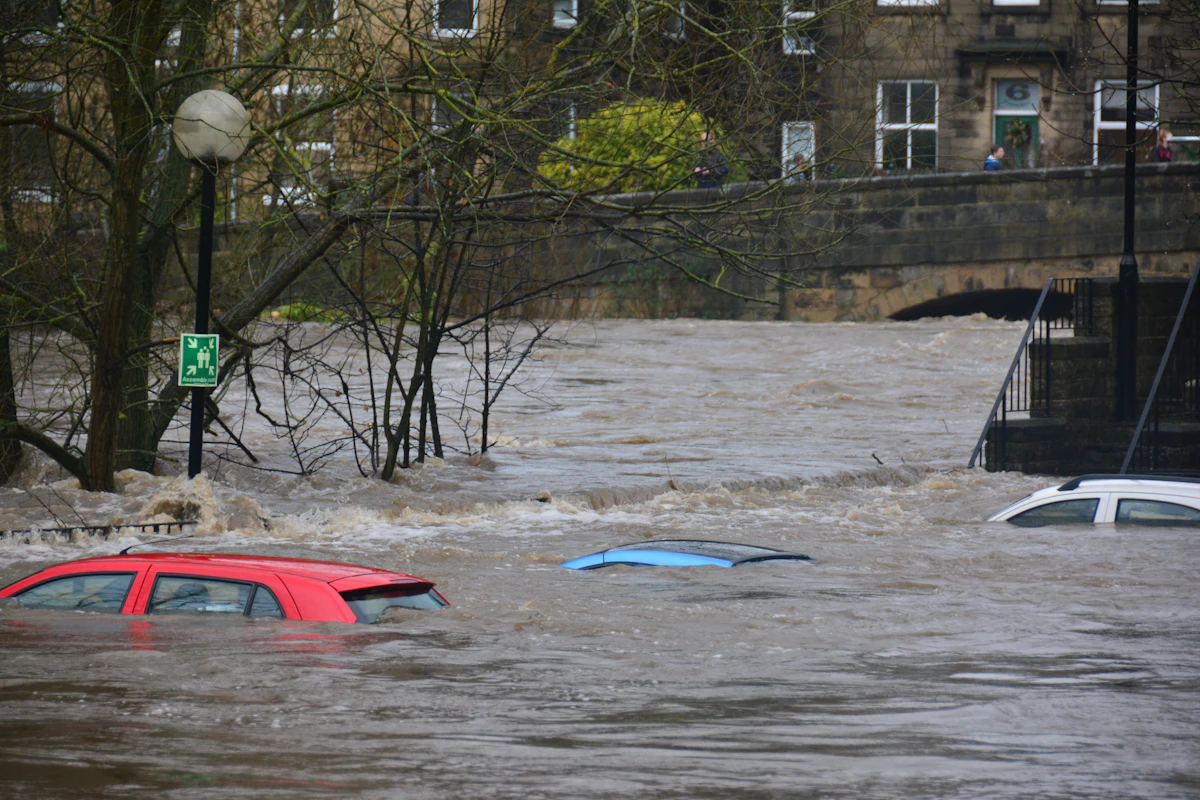
LHASA / KATHMANDU — An intense overnight cloudburst above high-altitude mountain river gorges triggered catastrophic flash flooding along border sectors between Nepal and Tibet, claiming over 150 lives and stranding international overland travel groups.
Cross-Border Crisis on the Friendship Highway: Stranded Convoys and High-Altitude Rescue
Along the precipitous gorges of the Sino-Nepal Friendship Highway connecting Kathmandu to Lhasa via the Gyirong (Rasuwa) and Zhangmu border crossings, the sudden nocturnal cloudburst transformed seasonal mountain streams into raging torrents of mud and granite boulders. Over 150 fatalities were recorded along the trans-border corridor as debris flows swept away customs staging areas, border trade depots, and tourist transport convoys.
Because late August and September mark peak overland travel and pilgrimage season toward Mount Kailash, Lake Manasarovar, and Everest North Base Camp, hundreds of international trekkers and foreign nationals were caught in isolated canyon bottlenecks when bridge abutments gave way. Chinese emergency management brigades and Tibetan high-altitude rescue squads deployed heavy tracked amphibious carriers and drone-dropped communication relays to locate 261 foreign travellers whose satellite transponders went offline during the storm.
Simultaneously, cybersecurity and civil affairs authorities in Beijing and Lhasa launched enforcement sweeps against unverified social media accounts circulating fabricated casualty lists and AI-manipulated disaster videos, emphasizing that accurate manifest verification with foreign embassies required strict cross-checking at physical evacuation checkpoints.
| Disaster Response Dimension | Field Status & Technical Metric | Strategic Recovery Priority |
|---|---|---|
| Precipitation Anomaly | 300–340 mm recorded in 18-hour cloudburst window | Deploy high-resolution valley Doppler radar & automated rain gauges |
| Search & Rescue Logistics | 340+ military & civil helicopter airlift sorties flown | Restore Bailey bridges along Arniko, BP, and Syabrubesi highways |
| Hydropower & Grid Impact | ~480 MW generation offline due to intake & penstock damage | Rebuild desilting basins with armored boulder-deflection weirs |
| Glacial Lake Monitoring | 24+ high-altitude moraine lakes under SAR satellite watch | Expand trans-boundary telemetry & automated valley siren networks |
Consular Coordination and Trade Corridor Stabilization
Embassies in Kathmandu and Beijing established 24-hour crisis coordination desks to match passport manifests from licensed trekking agencies against helicopter evacuation logs. Meanwhile, logistics operators warn that damage to the Rasuwagadhi and Tatopani customs dry ports will temporarily divert bilateral overland commerce—including solar modules, electronics, and agricultural produce—toward maritime routes via Kolkata.
- UAV Thermal Reconnaissance: Long-endurance unmanned aerial vehicles equipped with infrared optics mapped stranded vehicle convoys across 60 kilometers of severed canyon roadway.
- Embassy Manifest Verification: Biometric check-in terminals at Gyirong and Syabrubesi allowed consular officers to confirm the safety of evacuated foreign nationals within hours of airlift arrival.
- Slope Stabilization Engineering: Rock-bolting, shotcrete reinforcement, and debris-flow check dams are being installed along unstable cliff faces before commercial freight trucks resume transit.
Related Prime Media Investigative Dispatches
Frequently Asked Questions (Editorial Briefing)
Q1: Why did the number of missing persons change so rapidly during the Nepal-China flood crisis?
Mountain landslides severed fiber-optic cables, cellular towers, and bridges across dozens of remote districts. As satellite terminals and helicopter rescue teams reached isolated valleys, local ward registries were merged into the central disaster database while evacuated survivors were cross-checked and removed from missing lists.
Q2: What causes flash floods in the Himalayas to be so destructive compared to plains flooding?
Steep mountain gradients accelerate runoff into high-velocity debris flows carrying boulders and mud, while warm rain at high altitudes destabilizes glacial moraine lakes and saturated highway slopes simultaneously.
Editorial Analysis & Fact-Checking by Dr. Marcus Vance (Executive Editor & Investigative Policy Director), Prime Media Global Desk.
Historical Context, Comparative Benchmarks & Institutional Risk Assessment
To fully evaluate the trajectory of Flash Flood on Nepal-Tibet Border Claims Over 150 Lives as Landslides Sweep Highway within the broader Politics & World Affairs landscape, policy researchers and institutional analysts compare current field indicators against multi-year structural baselines. Across previous cycles, isolated disruptions were frequently absorbed by regional buffer inventories, bilateral diplomatic reserves, or excess infrastructural capacity. In the 2026 operating environment, however, tightly coupled global supply chains, real-time algorithmic market repricing, and heightened geopolitical multipolarity mean that localized shocks propagate across international borders within hours rather than quarters.
Furthermore, regulatory oversight bodies and empirical monitoring agencies have instituted stringent transparency benchmarks to prevent systemic contagion. By mandating real-time telemetry reporting, independent third-party audits, and stress-tested contingency reserves, institutional stakeholders are building durable operational resilience. Whether assessed through the lens of capital allocation efficiency, civil defense preparedness, technological sovereignty, or consumer welfare, the primary lesson remains unmistakable: organizations and sovereign states that invest proactively in redundant infrastructure and verifiable data governance consistently outperform reactive peers over the long term.
Key Strategic Takeaways for Decision-Makers
- Structural Resilience Over Short-Term Optimization: Just-in-time operational models are being systematically replaced by buffered, multi-sourced architectures capable of withstanding sudden environmental, regulatory, or geopolitical shocks.
- Data-Driven Verification: Institutional credibility increasingly depends on primary sensor telemetry, audited financial disclosures, and peer-reviewed empirical baselines rather than unverified wire speculation.
- Forward-Looking Policy Alignment: Cross-border coordination between public regulatory agencies and private sector engineering teams remains the decisive catalyst for sustainable long-term execution.