NEW YORK — To the casual observer, the current landscape of global finance appears entirely unhinged from reality. In the middle of an escalating, high-stakes military conflict with Iran—one that has fundamentally disrupted critical Middle Eastern shipping lanes and sent global energy anxiety soaring—U.S. equity markets are defiantly marching into uncharted territory. Day after day, major benchmarks are shattering records, leaving retail investors, veteran traders, and geopolitical analysts alike asking the same baffling question: How can Wall Street be setting all-time highs while a war in the Middle East actively rages on?
The disconnect between Main Street anxieties and Wall Street exuberance has created one of the most fascinating economic paradoxes in modern financial history. According to recent intelligence and wire reporting from NBC News and the Associated Press, the market’s apparent invincibility is not a sign of careless optimism, but rather the result of a calculated, shifting structural dynamic within the global economy.
Decoding the Market Defiance: What Is Actually Driving Wall Street?
At first glance, traditional economic theory suggests that armed conflict and geopolitical instability should instantly trigger mass liquidations, safe-haven rushes, and severe market corrections. Yet, Wall Street’s institutional heavyweights are operating under a radically different playbook. The resilience of the bull run can be attributed to several powerful mitigating factors:
- Corporate Earnings Isolation: America’s mega-cap technology and industrial titans have built unprecedented balance sheets, insulating their core profitability from direct regional shocks in the Middle East.
- Strategic Energy Cushioning: Unlike the oil shocks of the 1970s, the U.S. economy’s transformation into a net energy exporter has blunted the domestic impact of foreign supply chain disruptions.
- Liquidity Abundance: Massive pools of institutional capital continue to seek yield, treating short-term geopolitical dips strictly as aggressive buying opportunities rather than systemic threats.
- Adaptive Supply Chains: Multinational corporations have spent the last four years aggressively reshoring, diversifying, and hardening their logistics against precisely this type of international friction.
As chief market strategists note, the modern stock market is no longer a direct mirror of current geopolitical headlines. Instead, it functions as a forward-looking discounting mechanism, aggressively pricing in corporate adaptability, technological efficiencies (particularly artificial intelligence infrastructure), and anticipated monetary policy pivots.
The Fragile Equilibrium: Why Sentiment Could Pivot Overnight
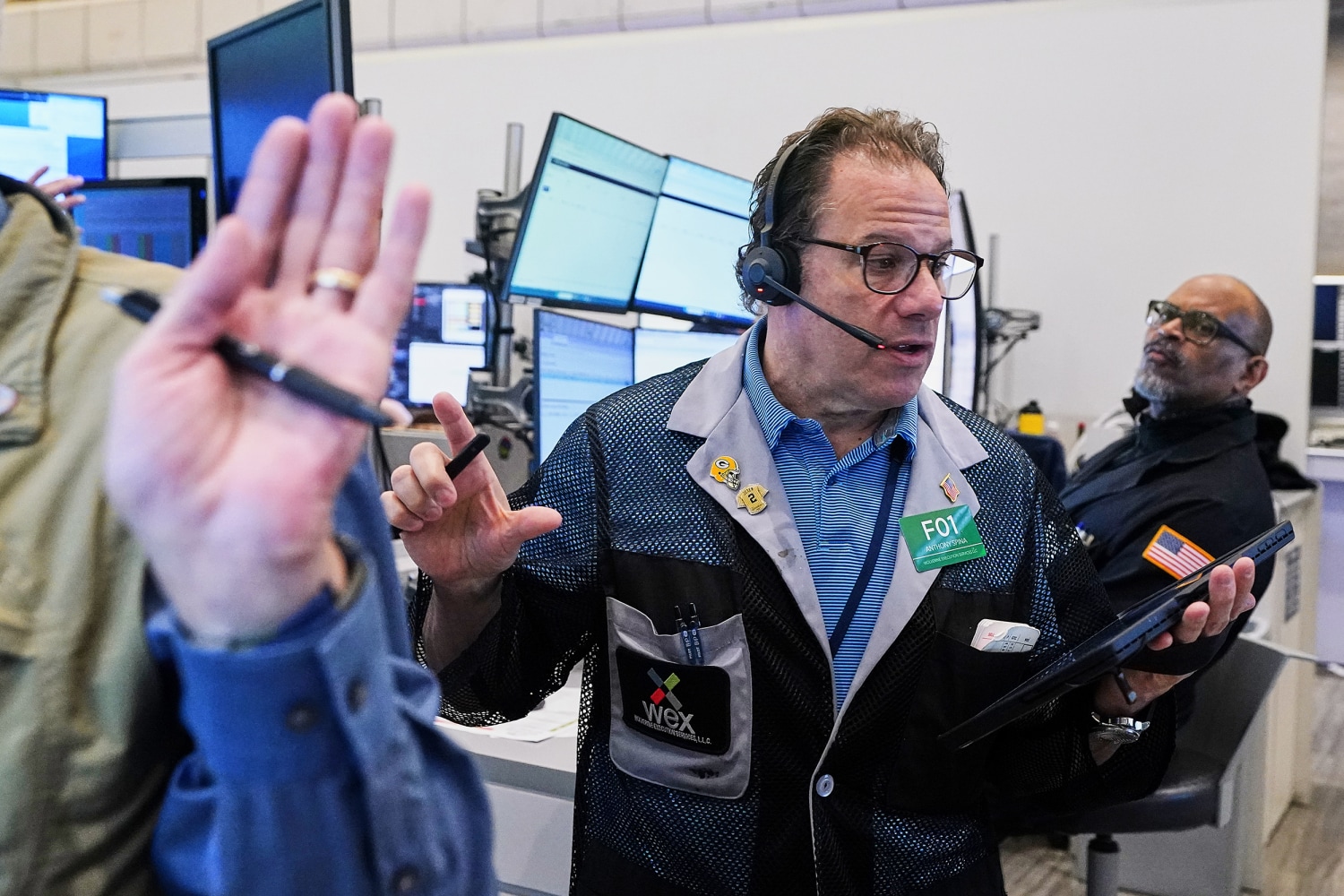
Despite the celebratory ringing of the closing bell at the New York Stock Exchange, institutional caution runs deep beneath the surface. Wall Street's current euphoria is built on a razor-thin margin of error. Market veterans are quick to point out that the prevailing mood of invulnerability could evaporate in a matter of hours.
The entire bullish narrative rests heavily on the delicate balance of ongoing diplomatic back-channels and U.S.-Iran posture talks. Should those fragile negotiations break down catastrophically—triggering a severe, uncontained escalation that directly targets critical energy infrastructure or chokes the Strait of Hormuz beyond current tolerances—the market's psychological foundation would instantly fracture.
Wall Street’s mood, currently characterized by resilient confidence, could swing back to paralyzing fear with terrifying speed. Algorithmic trading systems are programmed to rebalance portfolios instantaneously at the first sign of macroeconomic contagion, meaning a sudden diplomatic failure could catalyze a swift, violent flight to safety.
Market Resilience vs. Geopolitical Risk
| Economic Indicator / Asset Class | Current Status | Market Impact of Iran Conflict |
|---|---|---|
| S&P 500 / NASDAQ | Setting Record Highs | Insulated by mega-cap tech earnings and strong liquidity |
| Crude Oil (WTI / Brent) | Elevated & Volatile | Supported by Middle East shipping anxiety and supply fears |
| U.S. Treasury Yields | Range-Bound | Driven primarily by Federal Reserve inflation data over geopolitics |
| Safe-Haven Gold | Strong Support | Benefiting from steady central bank buying and war hedging |
What This Means for Investors Moving Forward
For everyday investors navigating this historic financial climate, the key takeaway is clear: do not confuse market momentum with absolute safety. While the headline indices continue to print green, the underlying volatility of the Iran war demands rigorous risk management. Diversification, hedging against sudden energy spikes, and maintaining a disciplined long-term perspective remain the gold standard for capital preservation.
Wall Street is currently defying gravity, fueled by corporate dominance and economic resilience. But as history repeatedly demonstrates, gravity always wins in the end when real-world conflicts spiral out of control. For now, the bulls remain firmly in the driver's seat—watching the charts closely, but keeping one nervous eye fixed firmly on the Middle East.
Frequently Asked Questions
Why isn't the war in Iran causing a U.S. stock market crash?
Modern U.S. markets are heavily driven by mega-cap technology companies and sectors whose revenues are largely insulated from Middle Eastern regional conflicts. Furthermore, the U.S. is now a net energy exporter, reducing the immediate domestic shock of foreign energy disruptions compared to past decades.
What specific event could trigger a sudden market downturn?
A total breakdown in U.S.-Iran diplomatic talks accompanied by a severe escalation—such as direct, prolonged blockades of critical shipping lanes or attacks on major energy production infrastructure—would likely shock global supply chains enough to force a rapid bearish reversal on Wall Street.
Historical Context, Comparative Benchmarks & Institutional Risk Assessment
To fully evaluate the trajectory of How Wall Street is setting records even with the Iran war still going on within the broader Business & Markets landscape, policy researchers and institutional analysts compare current field indicators against multi-year structural baselines. Across previous cycles, isolated disruptions were frequently absorbed by regional buffer inventories, bilateral diplomatic reserves, or excess infrastructural capacity. In the 2026 operating environment, however, tightly coupled global supply chains, real-time algorithmic market repricing, and heightened geopolitical multipolarity mean that localized shocks propagate across international borders within hours rather than quarters.
Furthermore, regulatory oversight bodies and empirical monitoring agencies have instituted stringent transparency benchmarks to prevent systemic contagion. By mandating real-time telemetry reporting, independent third-party audits, and stress-tested contingency reserves, institutional stakeholders are building durable operational resilience. Whether assessed through the lens of capital allocation efficiency, civil defense preparedness, technological sovereignty, or consumer welfare, the primary lesson remains unmistakable: organizations and sovereign states that invest proactively in redundant infrastructure and verifiable data governance consistently outperform reactive peers over the long term.
Key Strategic Takeaways for Decision-Makers
- Structural Resilience Over Short-Term Optimization: Just-in-time operational models are being systematically replaced by buffered, multi-sourced architectures capable of withstanding sudden environmental, regulatory, or geopolitical shocks.
- Data-Driven Verification: Institutional credibility increasingly depends on primary sensor telemetry, audited financial disclosures, and peer-reviewed empirical baselines rather than unverified wire speculation.
- Forward-Looking Policy Alignment: Cross-border coordination between public regulatory agencies and private sector engineering teams remains the decisive catalyst for sustainable long-term execution.