WASHINGTON — In a stunning strategic pivot that sends shockwaves through the global aerospace sector, NASA has officially canceled the historic lunar landing sequence for the upcoming Artemis III mission. According to updated flight plans released by the agency, while the crewed mission remains on the books for 2027, the astronauts will no longer descend to the lunar surface. Instead, the flight will be restricted entirely to Earth orbit, fundamentally altering humanity's immediate timeline for returning to the Moon.
The announcement, sourced from premier aerospace intelligence provider Universe Space Tech, marks a major reality check for a program that has faced relentless schedule pressure, technical hurdles, and budgetary scrutiny. For Wall Street defense analysts, space-tech investors, and international space agencies watching the resurgent lunar race, the decision signals a pragmatic yet painful recalibration of NASA’s ambitious architecture.
What Actually Happened: The Revised 2027 Flight Plan
Under the newly restructured mission profile, Artemis III will still launch humans into space in 2027, breaking a hiatus of crewed deep-space exploration that has lasted for more than half a century. However, the mission’s operational scope has been drastically reined in. The spacecraft will bypass its planned lunar rendezvous and descent phase, keeping the astronauts safely in Earth orbit to test critical life-support systems, communications arrays, and orbital maneuvering capabilities.
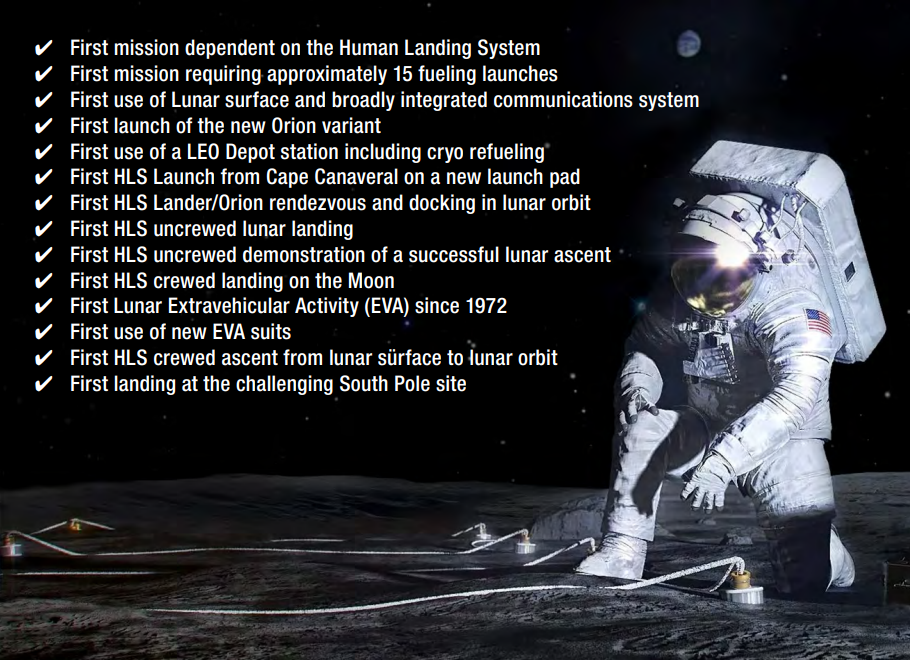
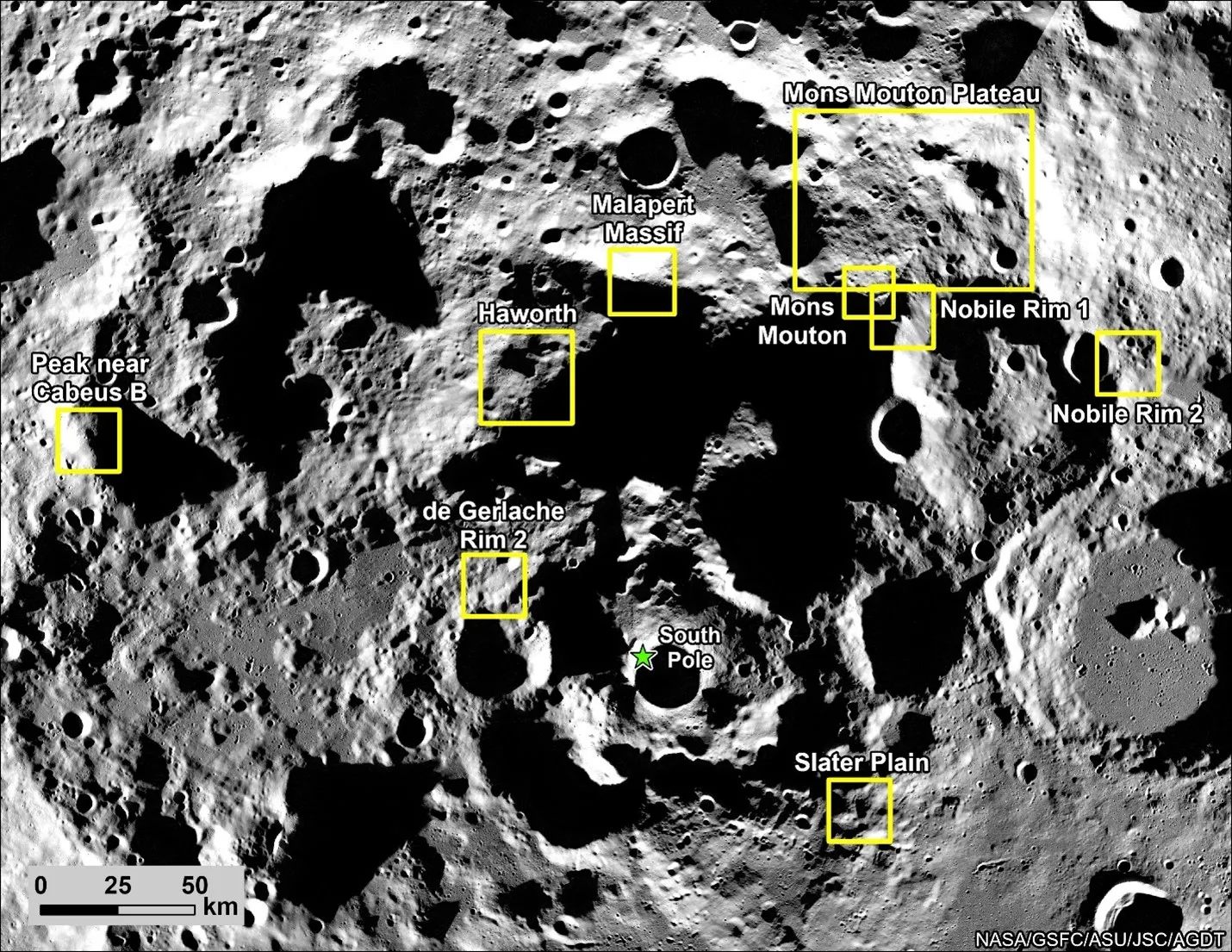
This pivot effectively strips Artemis III of its primary historical objective: walking the first woman and the next man on the lunar south pole. Industry insiders note that while the decision is a disappointment for public morale, it reflects an increasing engineering consensus that the previous timeline was dangerously compressed, particularly regarding the readiness of human-rated lunar landers and next-generation space suits.
- Mission Shift: Artemis III will launch in 2027 but will remain confined to Earth orbit.
- Landing Postponed: The physical descent to the lunar surface has been stripped from the current flight architecture.
- Strategic Priority: NASA is shifting focus to rigorous systems testing, risk mitigation, and orbital validation before attempting a high-risk lunar touchdown.
- Competitive Pressure: The delay arrives amid intensifying global competition in cislunar space, forcing a careful balancing act between speed and safety.
Why It Matters: Markets, Budgets, and Geopolitics
The economic and geopolitical ramifications of NASA’s decision are profound. For the burgeoning commercial space economy—which relies heavily on predictable government contracting and milestone-driven funding—the shift introduces new variables into long-term valuation models for aerospace contractors, defense primes, and private lunar logistics firms.
Wall Street markets reacted with cautious realism. While delays historically spark short-term dips in speculative space stocks, institutional investors increasingly favor risk-managed engineering over catastrophic failures that could permanently stall the commercialization of low-Earth orbit and deep-space corridors.
Geopolitically, the stakes could not be higher. The United States is locked in a modern space race with international competitors eyeing the strategic, resource-rich lunar south pole. By slowing down the Artemis trajectory, NASA risks opening a window of opportunity for rival state programs to claim vital lunar real estate, altering the geopolitical balance of power in cislunar space for decades to come.
| Mission Phase | Original Plan | Updated Artemis III Plan (2027) |
|---|---|---|
| Destination | Lunar Surface (South Pole) | Earth Orbit |
| Primary Objective | Human Lunar Landing & Exploration | Systems Validation & Orbital Testing |
| Primary Wire Source | Universe Space Tech | Universe Space Tech |
| Risk Profile | High (Landing Systems Unproven) | Controlled (Earth-Orbit Operations) |
Expert Perspectives and Future Outlook
Aerospace analysts emphasize that while the immediate headline reads like a setback, the long-term health of the Artemis program may depend on such course corrections. Pushing humans onto the lunar surface before critical hardware has reached absolute maturity invites disaster—an outcome neither NASA nor the taxpayer can afford in the modern era of commercial spaceflight.
"Safety and system integration must supersede arbitrary calendar deadlines," noted one senior aerospace strategist following the briefing. "By grounding the lunar landing for Artemis III and focusing on orbital proving grounds, NASA is choosing methodical engineering over high-stakes gambling."
As the aerospace community digests the new 2027 parameters, attention will now pivot to NASA leadership for a clearer roadmap on when the lunar landing sequence will be officially rescheduled. Until then, the path to the Moon has grown longer, but the foundation being laid in Earth orbit may ultimately prove unbreakable.
Frequently Asked Questions
Is the entire Artemis program canceled?
No. The Artemis program remains active, but NASA has restructured the Artemis III flight, scheduled for 2027, to keep astronauts in Earth orbit rather than attempting a lunar landing.
When will humans actually land on the Moon now?
NASA has not yet provided a definitive new date for the physical lunar landing. The agency is expected to release an updated long-term timeline following the completion of the restructured 2027 orbital mission.
Historical Context, Comparative Benchmarks & Institutional Risk Assessment
To fully evaluate the trajectory of Landing canceled: Artemis III will not land on the Moon within the broader Space & Cosmos landscape, policy researchers and institutional analysts compare current field indicators against multi-year structural baselines. Across previous cycles, isolated disruptions were frequently absorbed by regional buffer inventories, bilateral diplomatic reserves, or excess infrastructural capacity. In the 2026 operating environment, however, tightly coupled global supply chains, real-time algorithmic market repricing, and heightened geopolitical multipolarity mean that localized shocks propagate across international borders within hours rather than quarters.
Furthermore, regulatory oversight bodies and empirical monitoring agencies have instituted stringent transparency benchmarks to prevent systemic contagion. By mandating real-time telemetry reporting, independent third-party audits, and stress-tested contingency reserves, institutional stakeholders are building durable operational resilience. Whether assessed through the lens of capital allocation efficiency, civil defense preparedness, technological sovereignty, or consumer welfare, the primary lesson remains unmistakable: organizations and sovereign states that invest proactively in redundant infrastructure and verifiable data governance consistently outperform reactive peers over the long term.
Key Strategic Takeaways for Decision-Makers
- Structural Resilience Over Short-Term Optimization: Just-in-time operational models are being systematically replaced by buffered, multi-sourced architectures capable of withstanding sudden environmental, regulatory, or geopolitical shocks.
- Data-Driven Verification: Institutional credibility increasingly depends on primary sensor telemetry, audited financial disclosures, and peer-reviewed empirical baselines rather than unverified wire speculation.
- Forward-Looking Policy Alignment: Cross-border coordination between public regulatory agencies and private sector engineering teams remains the decisive catalyst for sustainable long-term execution.