Executive Takeaways
- Concentration Risk Redefined: Exchange-traded funds tracking the Magnificent Seven have fundamentally altered passive investing, tying a record percentage of global index performance to a handful of enterprise balance sheets.
- Data-driven telemetry from TradingView and proprietary Zacks Thematic screening reveal shifting institutional sentiment, with recent broker rating breakdowns tracking volatility in consensus "Strong Buy" allocations.
- Capital allocation strategies require rigorous analysis of infrastructure scalability, cloud compute architecture, and regulatory compliance to mitigate downside exposure.
For more than a decade, the narrative of modern global equities has been written by an elite cohort of technology titans. Yet, as institutional capital flows accelerate into specialized vehicles, the mechanics of gaining exposure to these market leaders have undergone a structural evolution. The emergence of targeted exchange-traded funds dedicated exclusively to the Magnificent Seven—Apple, Microsoft, Alphabet, Amazon, Nvidia, Meta, and Tesla—has transformed what was once a bespoke portfolio strategy into a mainstream liquidity conduit.
Recent analytics published via TradingView and integrated tools like Zacks Thematic highlight a critical inflection point for these mega-cap equities. As market participants grapple with shifting valuation multiples and macroeconomic headwinds, understanding the granular mechanics of Magnificent Seven ETF investing is no longer optional for sophisticated portfolio managers; it is an imperative for survival in an increasingly concentrated market ecosystem.
The Structural Evolution of Mega-Cap Concentration
To understand the current fervor surrounding Magnificent Seven ETFs, one must examine the historical trajectory that concentrated over 30% of the S&P 500’s total market capitalization into just seven corporate entities. This hyper-concentration is not merely a byproduct of passive indexing; it is the direct result of unmatched enterprise ROI, sweeping digital transformation, and an unprecedented capacity for capital generation.
Historically, investors seeking exposure to these giants had to purchase individual shares or rely on broad-market indices where the top holdings exerted an outsized, yet diluted, influence. Today, thematic ETFs designed explicitly around this cohort offer concentrated, high-beta exposure. However, this precision instrument introduces profound volatility. When supply chain bottlenecks hit hardware manufacturers, or regulatory scrutiny threatens cloud compute architecture, these specialized ETFs absorb the shockwaves directly, bypassing the stabilizing buffer of broader sector diversification.
Recent broker rating breakdowns sourced via TradingView illustrate the fluid nature of institutional sentiment. While consensus ratings historically leaned heavily toward aggressive accumulation—with "Strong Buy" recommendations previously commanding upwards of 80% to 90% of analyst coverage—recent revisions reflect a more nuanced landscape. Brokerage recommendations fluctuate as analysts recalibrate growth projections against soaring capital expenditures in artificial intelligence infrastructure and tightening global regulatory compliance frameworks.
Deconstructing the Broker Sentiment Shift
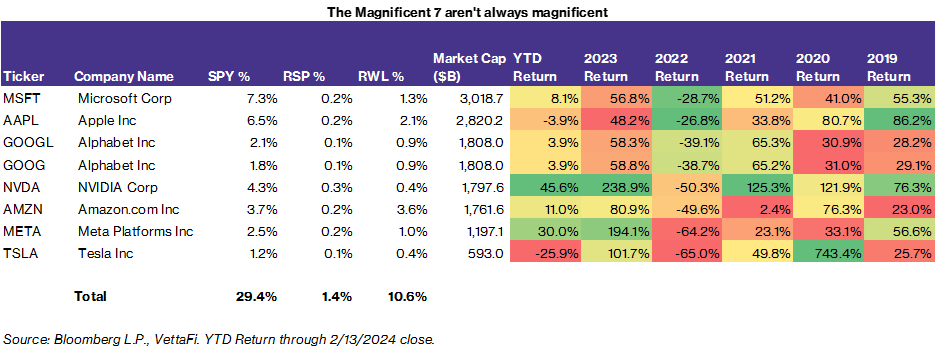
A granular review of terminal data reveals fascinating shifts in how Wall Street research desks view the underlying components of these thematic baskets. Over the past quarter, quantitative screening tools such as Zacks Thematic have tracked a measurable recalibration in broker rating breakdowns. While core pillars like enterprise cloud services and digital advertising continue to post robust top-line revenue growth, margin compression stemming from massive data center investments has forced a re-evaluation of near-term price targets.
For instance, broker consensus figures observed over a comparative 30-day window demonstrate shifts where "Strong Buy" allocations transitioned from historic highs near 80% down to approximately 60% in certain sub-segments of the cohort. This adjustment does not signal a loss of faith in the structural dominance of these enterprises; rather, it underscores a sophisticated pivot toward risk mitigation. Portfolio managers are demanding greater clarity on enterprise ROI before committing fresh capital to names trading at elevated price-to-earnings multiples.
| Metric / Indicator | Historical Baseline (Prior Month) | Current Reading (TradingView / Zacks) | Strategic Implication |
|---|---|---|---|
| Strong Buy Consensus | ~80.95% | ~60.00% | Increased caution; valuation discipline taking priority. |
| Buy / Outperform Rating | ~9.52% | ~25.00% | Broader dispersion as analysts separate winners by AI monetization. |
| Market Liquidity Flow | High (Unchecked Inflows) | Dynamic / Rebalanced | Capital shifting toward cash-flow-dominant balance sheets. |
| Primary Risk Factor | Interest Rate Sensitivity | CAPEX Overhang & Antitrust Scrutiny | Execution risk replaces macroeconomic beta as primary concern. |
Industry & Market Implications: Winners and Losers
The proliferation of Magnificent Seven ETFs creates profound ripple effects across the broader financial ecosystem. Understanding who benefits and who absorbs the friction is essential for strategic asset allocation.
The Winners
- ETF Providers & Financial Engineering Firms: Asset managers capturing fee income on high-turnover thematic products experience substantial margin expansion as retail and institutional investors chase performance.
- Infrastructure & Semiconductor Supply Chains: Underlying companies driving hardware acceleration, advanced packaging, and energy grid expansion benefit directly from the relentless capital expenditure cycles of these seven giants.
- Liquidity Providers & Market Makers: High daily trading volumes in concentrated thematic baskets generate robust bid-ask spread revenues for primary institutional dealers.
The Losers and Vulnerabilities
- Traditional Broad-Market Passive Holders: Investors believing they hold a diversified index fund often fail to realize that their downside is disproportionately exposed to tech-sector sentiment swings.
- Small-Cap Equities: Capital absorbed by high-flying mega-cap thematic ETFs starves smaller capitalization companies of vital market liquidity, raising their cost of capital.
- Complacent Retail Investors: Participants entering concentrated ETFs near technical resistance levels face severe drawdowns if macroeconomic shifts trigger sudden sector rotation.
Frequently Asked Questions (People Also Ask)
What is a Magnificent Seven ETF and how does it differ from a standard S&P 500 fund?
A Magnificent Seven ETF is a specialized thematic investment vehicle that holds exclusively—or has heavy exposure to—the seven dominant U.S. technology and growth titans: Apple, Microsoft, Alphabet, Amazon, Nvidia, Meta, and Tesla. Unlike a standard S&P 500 fund, which diversifies risk across 500 companies spanning 11 sectors, a Magnificent Seven ETF concentrates 100% of its core equity risk into a hyper-correlated group of mega-cap stocks, offering amplified upside during tech bull markets and heightened vulnerability during sector corrections.
How do broker ratings impact Magnificent Seven ETF performance?
Broker ratings—aggregated via platforms like TradingView and Zacks Thematic—serve as a real-time barometer of institutional sentiment. When major investment banks shift their recommendations from "Strong Buy" to "Hold" or "Outperform," it often triggers automated portfolio rebalancing, institutional block trading, and derivative positioning. While ETFs themselves passively track their underlying indices or rules-based methodologies, the underlying constituent re-ratings directly influence share price momentum and intraday market liquidity.
What are the primary risk factors associated with concentrated thematic investing?
The primary risks include hyper-concentration risk, elevated valuation multiples, regulatory and antitrust headwinds, and capital expenditure overhang. Because these seven companies command enormous market caps, any structural disruption—such as stricter data privacy laws, AI monetization delays, or sudden shifts in monetary policy affecting long-duration growth assets—can trigger rapid, cascading drawdowns across the entire ETF vehicle.
How can investors use tools like TradingView and Zacks for ETF due diligence?
Investors utilize advanced charting platforms and screening tools to monitor technical momentum indicators, volume profiles, and institutional consensus trends. By tracking broker rating breakdowns and thematic screening metrics, analysts can identify divergences between price action and fundamental analyst sentiment, thereby optimizing entry and exit timing for high-beta sector exposure.
Future Outlook and Strategic Milestones to Watch
Looking ahead over the next 12 to 36 months, the trajectory of Magnificent Seven ETF investing will be dictated by three definitive catalysts: artificial intelligence monetization, global regulatory intervention, and macroeconomic interest rate paths.
As these corporations transition from the exploratory phase of infrastructure buildout to proving tangible enterprise ROI, market differentiation within the group will intensify. Not all seven companies will monetize AI at the same velocity or with equivalent margin profiles. Consequently, passive basket investing may give way to more actively managed thematic strategies that dynamically overweight or underweight individual constituents based on real-time fundamental data.
For institutional investors and sophisticated family offices, the directive is clear: utilize advanced charting, monitor broker rating migrations via institutional feeds, and maintain rigorous risk mitigation protocols. The era of unchecked, passive accumulation in mega-cap technology has matured into an era of clinical execution and disciplined capital allocation.