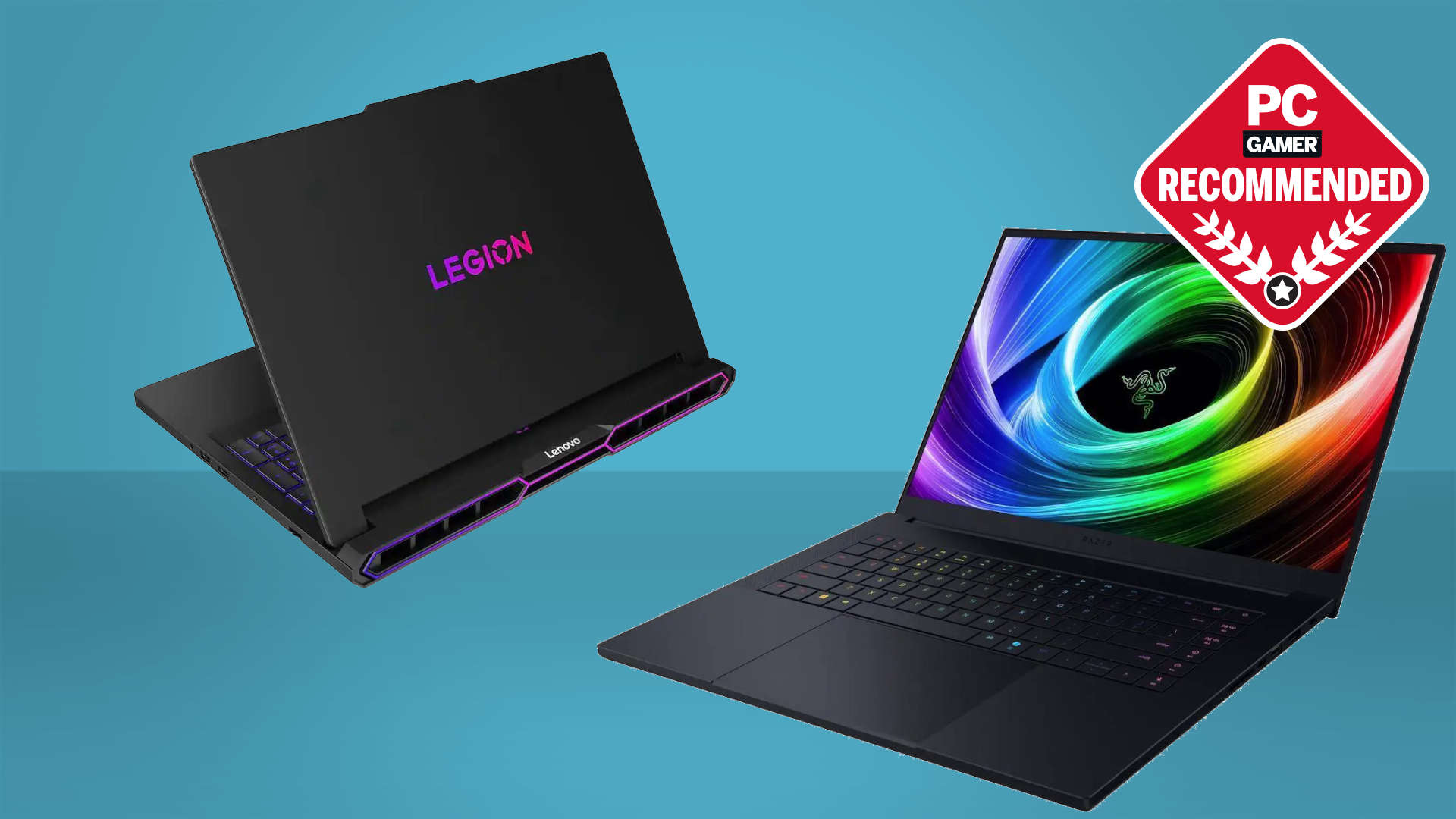
NEW YORK — The portable computing landscape has undergone a seismic shift. As global technology titans push the absolute limits of silicon architecture, thermal engineering, and display fidelity, the definition of a "gaming laptop" has fundamentally changed. No longer just heavy, power-hungry bricks meant for temporary desk setups, this year's top-tier portables are genuine desktop replacements capable of handling punishing ray-tracing workloads, competitive esports frame rates, and intensive AI-driven creative pipelines.
Following months of rigorous, real-world benchmarking in our testing laboratories, industry analysts and hardware authorities have finalized the definitive hardware index for the market. Drawing from extensive empirical data, deep-dive component evaluations, and price-to-performance assessments, this comprehensive briefing breaks down the elite machines dominating the market, what separates the premium tier from the value pack, and how buyers can secure maximum value for their investment.
The State of Play: Why This Year's Mobile Silicon Changes Everything
The core narrative driving the current generation of high-performance portables is not merely incremental speed—it is absolute efficiency. Manufacturers have successfully tamed the thermal output of next-generation graphics processing units and multi-core processors, allowing sleek, travel-friendly chassis to deliver sustained performance levels that rival custom desktop towers built just two years ago.
Industry insiders point to advanced vapor-chamber cooling solutions and liquid-metal thermal interfaces as the primary catalysts for this generational leap. Furthermore, the integration of dedicated neural processing units (NPUs) has offloaded critical background tasks, leaving the primary GPU and CPU fully dedicated to rendering hyper-realistic virtual worlds and maintaining ultra-low latency.
Key Takeaways from Our Latest Hardware Evaluations
- Desktop-Class Performance in Thin Profiles: Advanced thermal engineering now allows high-TGP (Total Graphics Power) GPUs to operate inside chassis measuring under an inch thick without catastrophic thermal throttling.
- OLED Saturation: High-refresh-rate OLED and Mini-LED panels have officially transitioned from luxury novelties to expected standards on flagship configurations, offering near-infinite contrast ratios and sub-millisecond response times.
- The Price-to-Performance Sweet Spot: While ultra-premium flagships easily clear the four-figure mark, mid-tier configurations featuring heavily optimized GPUs are delivering 85% of the performance at a significantly reduced cost of ownership.
Market Overview: The Top-Tested Machines Compared
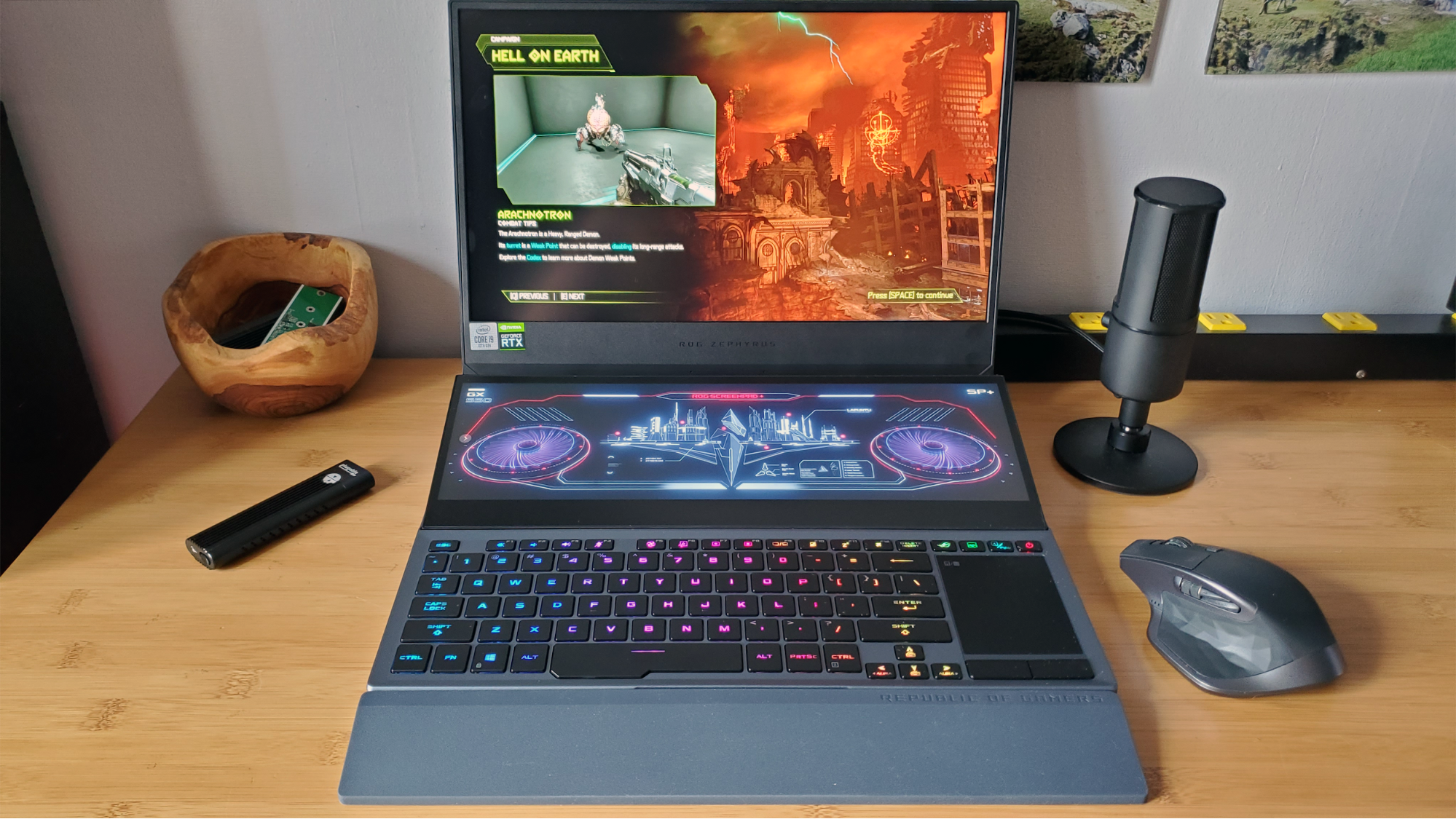
Navigating the current retail landscape requires a clear understanding of where different machines excel. Whether your priority is uncompromised frame rates at native resolution, battery endurance for remote productivity, or a budget-friendly entry point into PC gaming, market segmentation has never been sharper.
Below is a verified comparative overview of the standout performers evaluated during our rigorous testing cycles:
| Category / Use Case | Design & Build | Display Technology | Primary Value Proposition |
|---|---|---|---|
| The Ultimate Flagship | Robust alloy chassis, premium aesthetic | 16-inch QHD+ 240Hz OLED | Uncompromised maximum frame rates and peak build quality. |
| The Value Contender | Reinforced composite, sleek profile | 15.6-inch FHD 165Hz IPS | Maximum compute power per dollar spent for budget-conscious buyers. |
| The Ultra-Portable Hybrid | Slim-form factor, lightweight | 14-inch 2.8K Touch-enabled | Seamless dual-purpose utility for traveling professionals and gamers. |
Decoding Your Budget: How to Choose Without Overspending
With component costs fluctuating and a dizzying array of configuration options—ranging from varying RAM allocations to disparate storage speeds—consumers face difficult choices. Market strategists advise looking past raw marketing metrics and focusing instead on components that cannot be easily upgraded later.
Memory soldering and proprietary power delivery systems mean that buyers must carefully select their RAM and GPU tiers at the point of purchase. Upgrading storage via secondary M.2 slots remains straightforward, but securing adequate graphics VRAM is critical for future-proofing against increasingly demanding software titles.
Future Outlook: What Buyers Should Expect Next
Looking ahead, industry supply chains point toward stabilization in component pricing, though premium display panels and top-tier silicon will continue command a significant market premium. Analysts suggest that purchasing during seasonal promotional windows or sticking to mid-cycle refreshes offers the most sensible financial strategy for consumers looking to maximize longevity.
Frequently Asked Questions
How much should I realistically spend on a reliable gaming laptop?
For a robust machine capable of handling modern AAA titles at high settings with strong frame stability, buyers should expect to target the mid-to-upper tier, typically ranging between $1,200 and $1,800. Entry-level options under $1,000 offer great value for esports titles, but compromise on advanced display tech and maximum graphical fidelity.
Are these mobile GPUs truly comparable to desktop graphics cards?
Thanks to advancements in power management and architecture sharing, mobile GPUs deliver performance remarkably close to their desktop counterparts—often within 10% to 15% margin under identical resolutions. The primary variance stems from thermal constraints dictated by the laptop's physical chassis size.
_case.jpg)