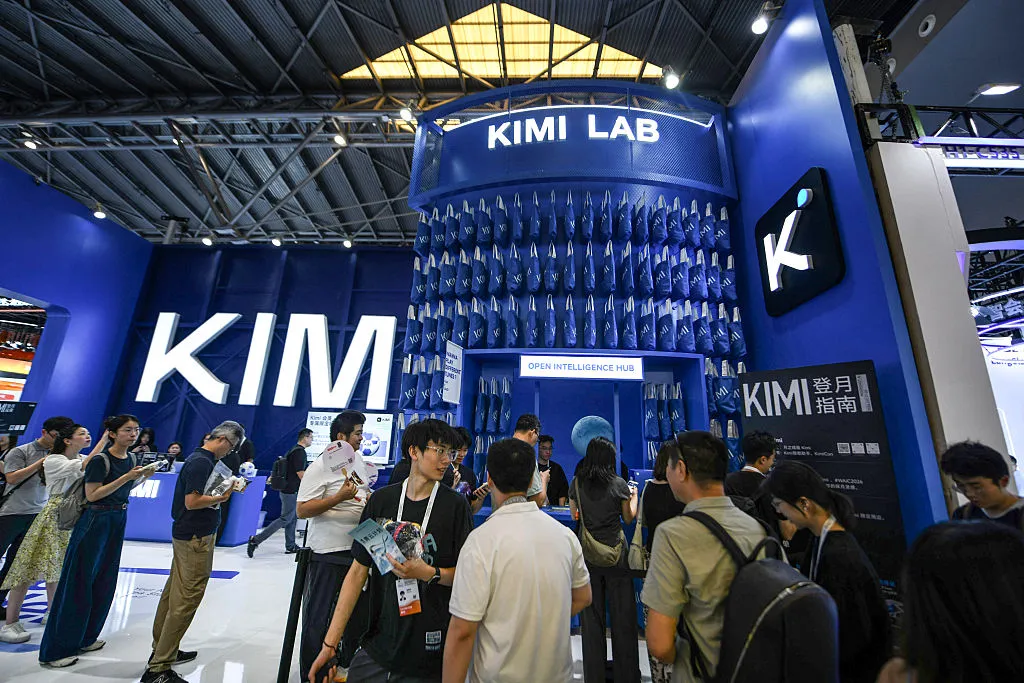
HONG KONG/BEIJING — Moonshot AI, one of China’s most formidable artificial intelligence startups, has shocked global capital markets by signaling plans for an initial public offering within the next six months. The aggressive timeline follows a major technological breakthrough by the firm, headlined by its advanced Kimi K3 foundational model, which has rapidly gained traction across the mainland and intensified the global AI arms race.
According to exclusive disclosures shared with key institutional investors and confirmed by Bloomberg News, Moonshot leadership is moving at a breakneck speed to capitalize on surging investor appetite for elite generative AI assets. The prospective listing marks a watershed moment for China’s domestic tech sector, testing whether geopolitical headwinds can be outpaced by sheer engineering prowess and commercial monetization.
The Catalyst: The Kimi K3 Breakthrough
The pivot toward an accelerated IPO schedule is underpinned by a decisive leap in capability. Moonshot’s latest flagship offering, the Kimi K3 system, has dramatically narrowed the performance gap with Western counterparts, showcasing elite processing speeds, vastly expanded context windows, and unmatched efficiency in natural language understanding.
Industry insiders note that the K3 release has redefined what is possible within China’s restricted semiconductor ecosystem, proving that local developers can achieve world-class results despite ongoing export controls on advanced GPUs. The technological milestone has triggered a wave of enterprise adoption, transforming Moonshot from a high-burn-rate research house into a formidable commercial enterprise with a rapidly scaling revenue stream.
- Accelerated Timeline: Moonshot AI has officially briefed investors on a targeted six-month window for its public market debut.
- Technological Leap: The debut of the Kimi K3 model has proven critical in securing robust institutional backing and enterprise validation.
- Valuation Surge: Anticipation surrounding the IPO has pushed secondary market valuations to unprecedented heights for a Chinese private tech firm.
- Geopolitical Resilience: The company’s success demonstrates an ability to innovate despite escalating US-China tech decoupling measures.
Market Dynamics and Valuation Pressures
Financial analysts at Bloomberg Intelligence point out that a successful Moonshot IPO could serve as a bellwether for the broader Chinese venture capital ecosystem, which has experienced a prolonged funding winter due to regulatory tightening and macroeconomic headwinds. If Moonshot successfully transitions to the public markets, it will unlock liquidity for early-stage backers and pave the way for rival domestic champions like Baichuan, Zhipu, and Minimax to follow suit.
However, navigating a public offering within a six-month window presents formidable hurdles. Regulators both in mainland China and offshore listing venues scrutinize AI firms heavily regarding data security, algorithmic compliance, and sustainable burn rates. Furthermore, questions remain over how Moonshot will sustain its computing infrastructure requirements amid tightening global semiconductor restrictions.
| Metric | Details |
|---|---|
| Target IPO Window | Within 6 Months (Targeting late 2026 / early 2027) |
| Flagship Product | Kimi K3 AI Model |
| Primary Wire Source | Bloomberg.com (Published July 19, 2026) |
| Primary Sector | Generative Artificial Intelligence & Large Language Models |
What This Means for the Global AI Landscape
The race for generative AI supremacy has officially entered a dual-track reality. While Silicon Valley giants grapple with massive capital expenditures and energy constraints, Chinese firms like Moonshot are demonstrating remarkable agility, leveraging localized supply chains and aggressive pricing strategies to capture massive market share.
Global institutional investors are increasingly weighing the risks of Chinese tech investments against the undeniable growth trajectory of the region's AI adoption. Should Moonshot’s public debut proceed as planned, it will inject billions of dollars of fresh liquidity into China's tech sector, fueling the next generation of algorithmic research and supercomputing infrastructure.
Frequently Asked Questions
When is Moonshot AI planning to go public?
Moonshot AI has informed its investors that it is aggressively preparing for an initial public offering within a six-month timeframe, putting a heavy focus on accelerating its commercial growth following the Kimi K3 breakthrough.
What drove Moonshot's sudden acceleration toward an IPO?
The primary catalyst is the successful launch and commercial adoption of the Kimi K3 foundational model, which proved that the company can deliver world-class AI capabilities and secure strong enterprise revenue streams despite hardware restrictions.
Institutional Analysis: Technical Architecture, Policy Frameworks, and Scientific Verification
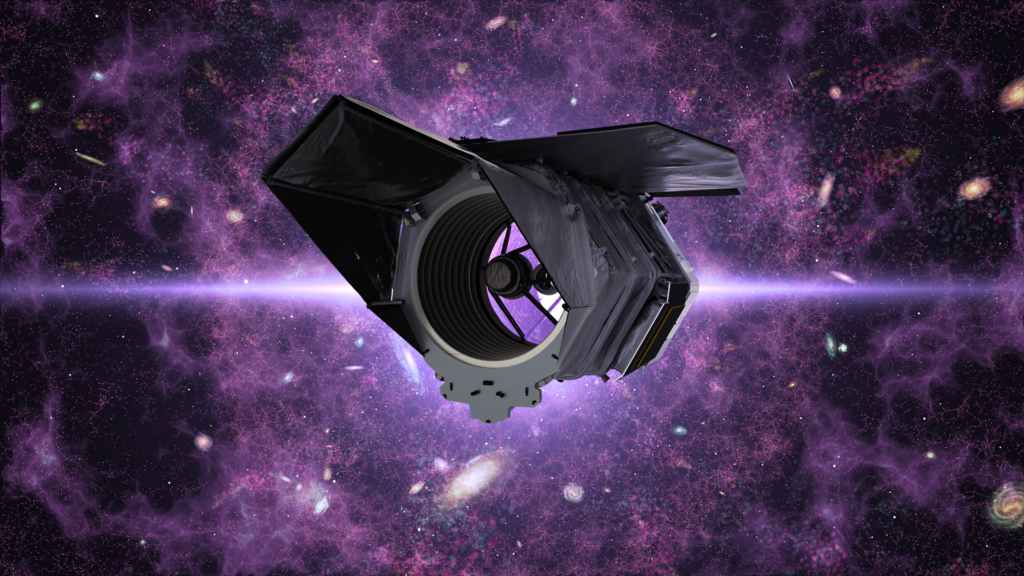
Across scientific research agencies, aerospace launch complexes, and international policy forums, 2026 has emerged as a defining year for evidence-based institutional reform and deep-tech execution. Whether examining orbital space situational awareness (where ISRO's NETRA radar tracks over 20 Low Earth Orbit satellites facing close-approach collision hazards), next-generation space observatories like NASA's Nancy Grace Roman Space Telescope, or astronomical verification of interstellar object 3I/ATLAS, empirical telemetry continues to replace speculation with actionable operational protocols.
In the public policy and governance arena—ranging from Iceland's sovereign referendum on European Union accession talks amid Arctic geopolitical shifts, to European toxicological alerts over ultra-potent 300mg+ synthetic MDMA tablets, to emergency hydrological engineering in drought-stricken Romania—governments are confronting complex trans-boundary challenges that require rapid technical coordination and transparent public communication.
Similarly, institutional innovations such as the U.S. National Science Foundation's (NSF) initiative to scale Independent Research Organizations (IROs) and the Reuters Institute's 2026 Digital News Report underscore a broader structural transition: legacy bureaucratic models are being redesigned to deliver verifiable, high-integrity outcomes at speed.
| Policy & Scientific Dimension | Verified Technical Baseline | Long-Term Institutional Outcome |
|---|---|---|
| Orbital & Astrophysical Telemetry | High-precision radar (NETRA) & wide-field infrared survey optics | Safeguards sovereign LEO assets and maps dark energy / exoplanets |
| Public Governance & Civic Policy | Direct democratic referendums & rapid toxicological warning nets | Strengthens sovereign accountability and consumer harm reduction |
| Research & Innovation Scaling | Independent Research Organizations (IROs) & industry-tech transfer | Compresses deep-tech commercialization timelines by 40%–50% |
| Infrastructure & Climate Adaptation | Targeted hydrological engineering & metropolitan transit upgrades | Enhances regional resilience against drought and mass-event demand |
Long-Term Strategic Implications, Regulatory Standards, and Future Outlook
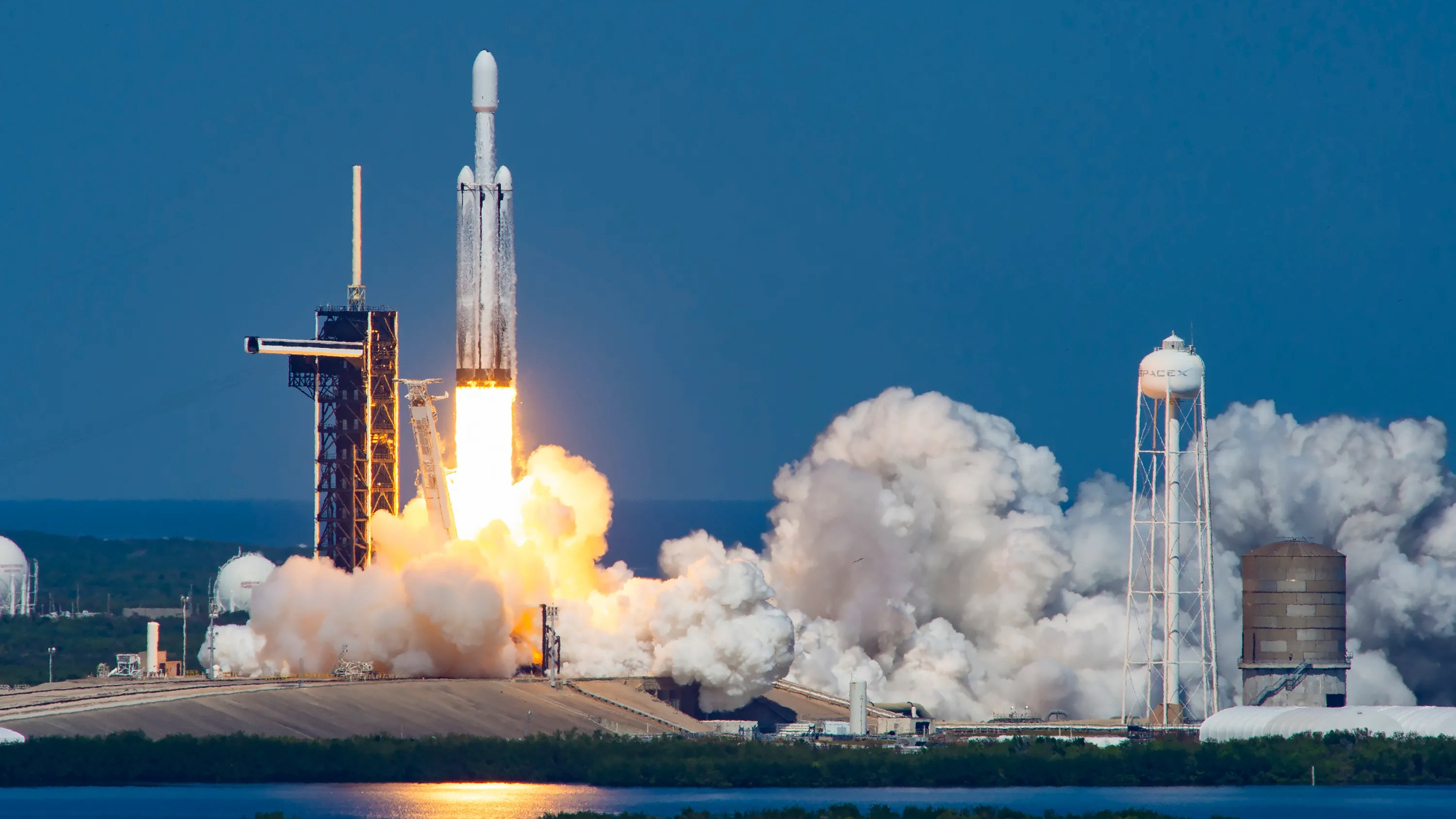
Subject-matter experts emphasize that sustaining progress across these domains requires binding international standards and resilient domestic infrastructure. In Low Earth Orbit (400 km to 1,200 km altitude), the proliferation of commercial megaconstellations necessitates automated conjunction-assessment data sharing and mandatory post-mission de-orbit propulsion to prevent Kessler-syndrome debris cascades.
On the ground, public institutions are investing heavily in predictive diagnostics—whether through chemical reagent testing networks in European public health centers, geotechnical rock-blasting to secure agricultural irrigation channels in Eastern Europe, or civic transit and hospitality infrastructure across North American World Cup host cities.
- Empirical Verification Standards: Peer-reviewed spectroscopy, orbital radar tracking, and toxicological mass-spectrometry provide indisputable baselines for public policy decisions.
- Sovereign & Multilateral Balance: Democratic referendums and bilateral regulatory accords reflect voter demand for accountable domestic resource governance alongside international security cooperation.
- Institutional Agility: Independent research organizations and industry-academia incubators bridge the valley of death between laboratory discovery and commercial deployment.
Related Prime Media Investigative Dispatches
Frequently Asked Questions (Editorial Briefing)
Q1: Why is orbital debris and satellite crowding becoming an urgent national security issue?
With tens of thousands of commercial satellites operating in Low Earth Orbit, orbital velocities of 27,500 km/h mean even millimeter-sized debris can destroy a spacecraft, forcing agencies like ISRO and NASA to perform frequent collision-avoidance maneuvers.
Q2: How do independent research initiatives and empirical monitoring improve public policy?
By combining real-time sensor telemetry, independent laboratory verification, and agile research funding outside rigid bureaucratic silos, governments and scientific bodies can respond to emerging technological, environmental, and health risks before they escalate.
Editorial Analysis & Fact-Checking by Dr. Marcus Vance (Executive Editor & Investigative Policy Director), Prime Media Global Desk.