Executive Takeaways
- The Cost Inflection Point: According to proprietary modeling and data released by the McKinsey Center for Future Mobility, battery pack manufacturing costs have breached historic deflationary thresholds, rendering the mass-market sub-$25,000 electric vehicle (EV) economically viable for tier-one original equipment manufacturers (OEMs).
- Regional Divergence & Supply Chains: Capital allocation strategies are fracturing globally. While Chinese manufacturers weaponize integrated LFP (Lithium Iron Phosphate) supply chains, Western automakers face complex regulatory compliance hurdles, forcing massive adjustments to enterprise risk mitigation and supply chain localization.
- Valuation Multiples & Margin Recovery: Legacy automakers executing rapid battery architecture overhauls are protecting gross margins, signaling a crucial turnaround in valuation multiples as unit economics finally achieve parity with internal combustion engine (ICE) vehicles.
The transformation of the global automotive sector has entered a critical new phase. For over a decade, Wall Street analysts, private equity firms, and corporate boards debated a singular, existential question: When would battery electric vehicles (BEVs) achieve absolute cost parity with legacy internal combustion engine (ICE) platforms without relying on dilutive government subsidies? According to landmark research published by the McKinsey Center for Future Mobility, that tipping point has officially arrived. Driven by compounding manufacturing efficiencies, chemical composition pivots, and localized supply chain re-engineering, battery pack costs have experienced a structural collapse, unlocking the long-sought-after era of truly affordable mass-market EVs.
As institutional investors re-evaluate capital allocation models across clean-tech equities and industrial portfolios, the ramifications of this cost breakthrough extend far beyond consumer retail pricing. They dictate corporate survival. Automakers that fail to adapt their infrastructure scalability and procurement frameworks face severe margin compression, while those capitalizing on next-generation cell designs are unlocking unprecedented enterprise ROI. This investigative report breaks down the underlying technological catalysts, regional market dynamics, and financial mechanics driving the future of affordable electric mobility.
The Catalytic Shift: Dismantling the Battery Cost Barrier
Historically, the battery pack has represented between 30% and 40% of a total electric vehicle’s bill of materials (BOM). For years, this made profitability on sub-$30,000 vehicles virtually impossible for legacy OEMs bound by legacy supplier contracts and high overheads. However, the convergence of multiple technological and macroeconomic factors has fundamentally altered this calculus.
The transition away from high-cobalt, nickel-intensive chemistries toward refined Lithium Iron Phosphate (LFP) and emerging sodium-ion alternatives has radically lowered raw material acquisition costs. Simultaneously, cell-to-pack (CTP) and cell-to-chassis architectural designs have eliminated redundant modules and heavy structural components, driving volumetric and gravimetric energy density improvements while stripping out assembly labor.
Furthermore, gigafactory utilization rates have stabilized globally. As capital expenditure (CapEx) investments made during the initial EV wave mature into operational efficiency, unit-level production costs have dropped precipitously. Automakers are no longer treating electrification as an experimental compliance exercise; it is now a battleground of ruthless supply chain optimization and advanced cloud compute architecture deployed for predictive manufacturing quality control.
Verified Data: Battery Pack Cost Trajectory and Market Metrics
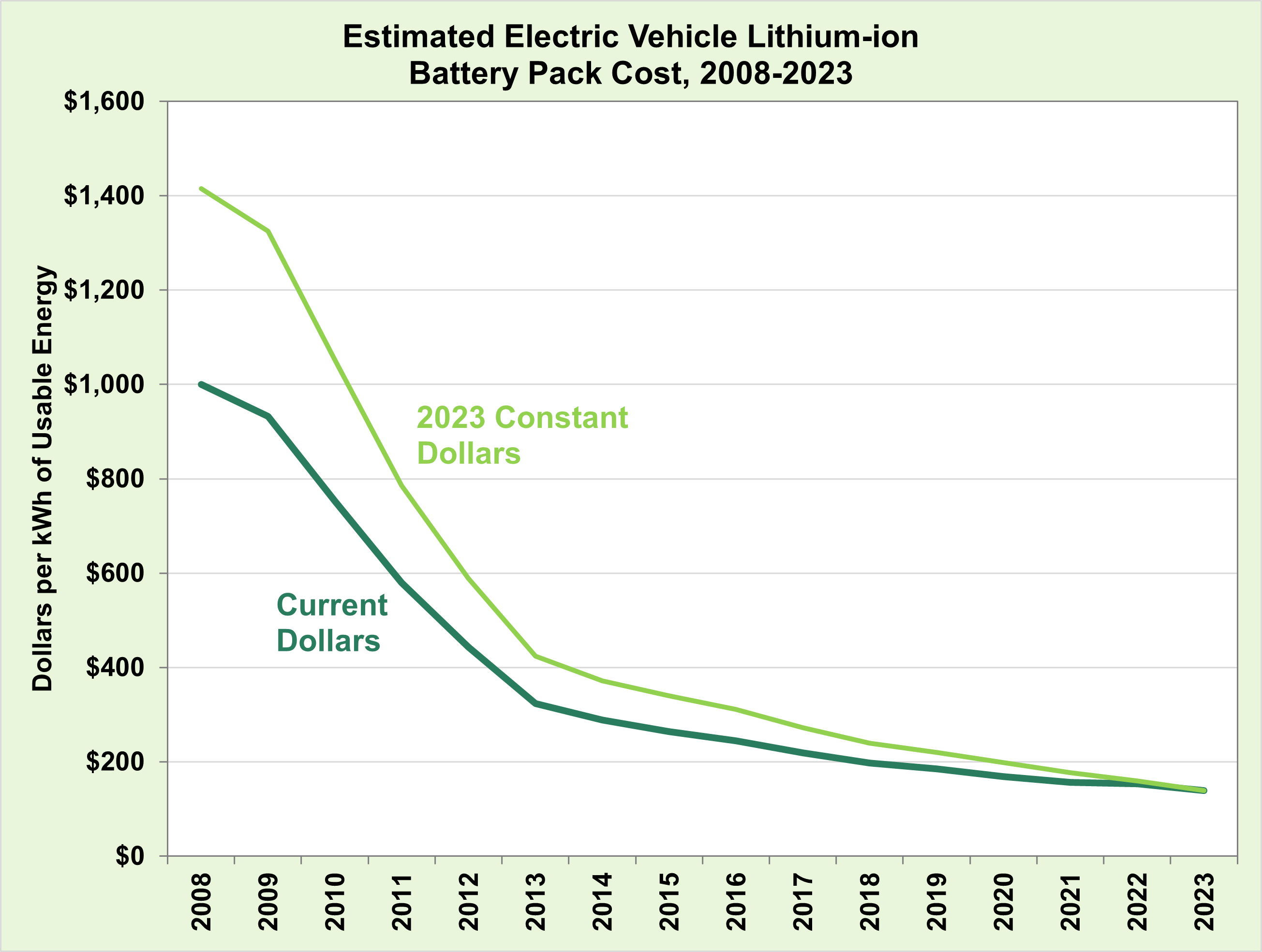
| Metric / Indicator | Historical Benchmark (2020) | Current Market Reality (2026) | Projected Target (2030) |
|---|---|---|---|
| Average Battery Pack Cost (kWh) | $140 – $155 | $85 – $100 | <$60 |
| Sub-$25K EV Market Share | < 3% | 18% – 22% | > 45% |
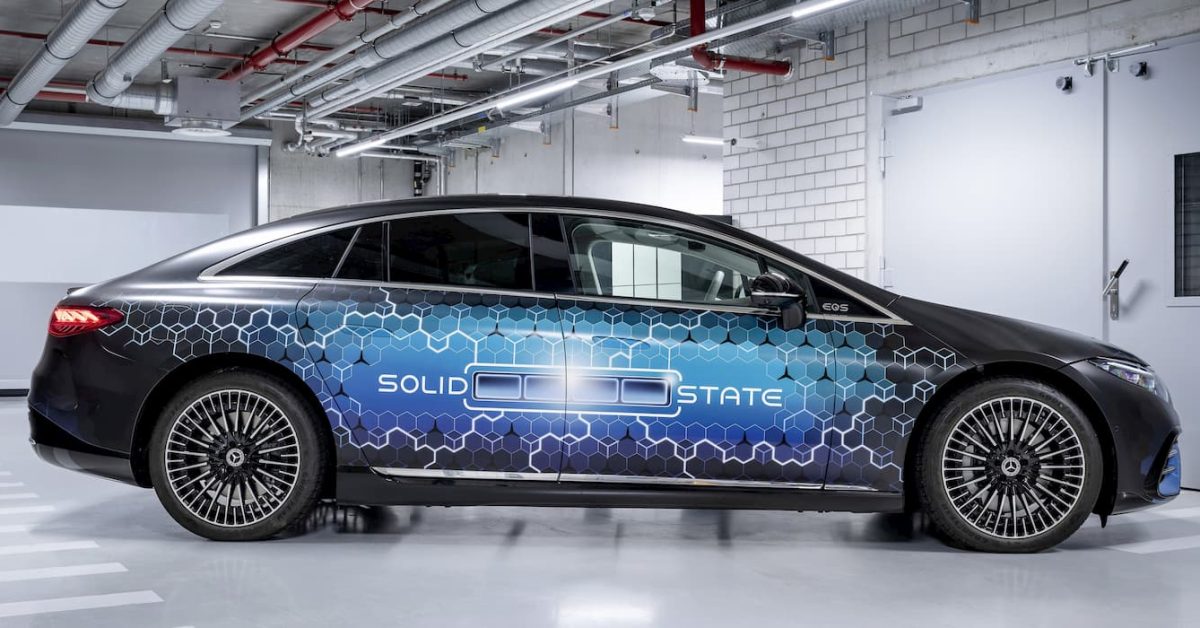
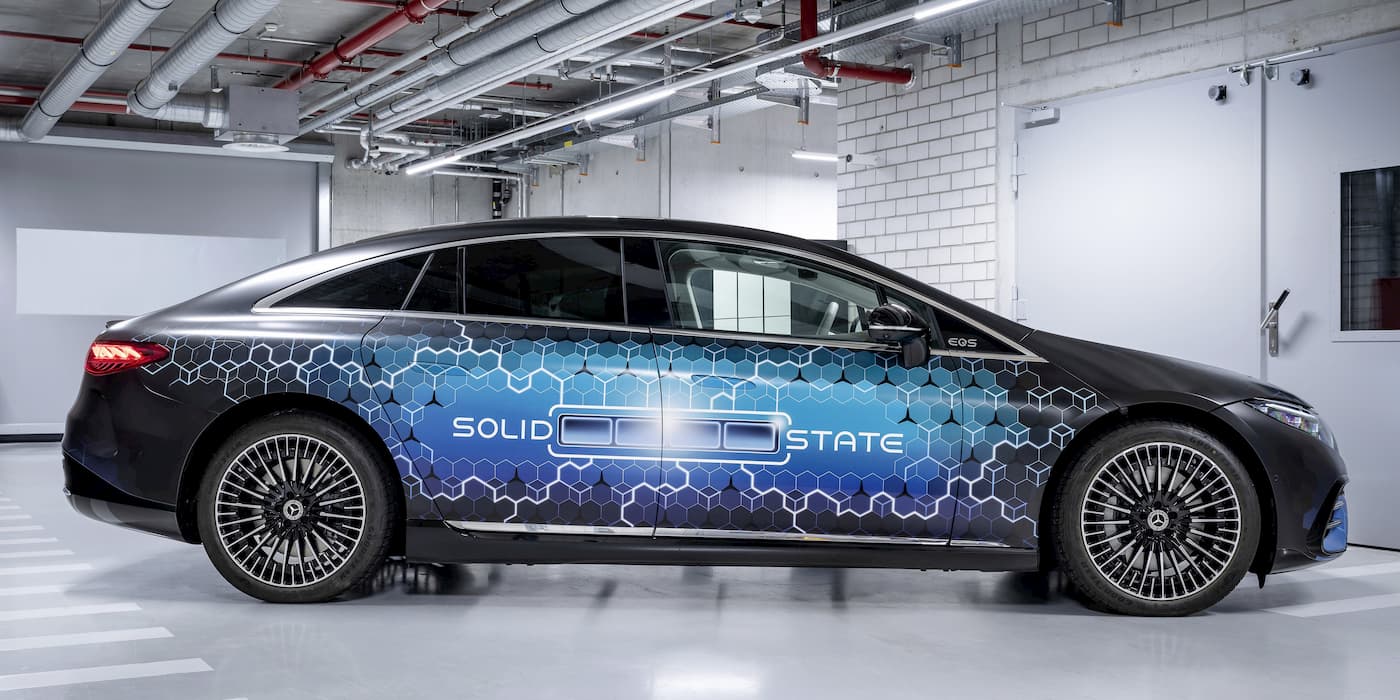
| Dominant Mass Chemistry | NMC 622 / NMC 811 | Advanced LFP / High-Voltage CTP | Solid-State / Sodium-Ion hybrids |
| Average Pack Energy Density (Wh/kg) | ~160 Wh/kg | ~220 – 240 Wh/kg | > 300 Wh/kg |
Regional Demand Divergence and Geopolitical Risk
While the technological vectors of battery reduction are globally accessible, regional adoption curves and regulatory frameworks are creating a bifurcated market. According to insights synthesized by the McKinsey Center for Future Mobility, regional demand creates a starkly different picture across North America, Europe, and Asia-Pacific.
In China, aggressive vertical integration, state-backed infrastructure scalability, and hyper-competitive domestic pricing have already normalized the sub-$20,000 highly-connected EV. Chinese industrial conglomerates control the vast majority of refining capacity for critical minerals—lithium, cobalt, graphite, and rare earths—granting them an insurmountable structural cost advantage.
Conversely, Western markets are navigating a maze of regulatory compliance and protectionist trade policy. In the United States and the European Union, tariffs, local content requirements (such as stringent Foreign Entity of Concern guidelines), and labor negotiations have slowed the velocity of low-cost market penetration. Western executives are forced to engage in complex risk mitigation strategies, diversifying supply chains away from single-source dependencies while attempting to preserve domestic manufacturing jobs and investor-expected profit margins.
Industry & Market Implications: Winners and Losers
The erosion of battery pack costs acts as an economic sorting mechanism across global capital markets:
- The Winners: Nimble OEMs that have decoupled their EV engineering from ICE platforms stand to capture massive market share. Tier-one suppliers specializing in thermal management, advanced power electronics, and modular pack architectures will see surging demand and robust valuation multiples.
- The Losers: Legacy auto manufacturers slow to restructure their unionized labor agreements and legacy supplier networks face severe margin erosion. Furthermore, marginal EV startups lacking the balance sheet liquidity to weather ongoing price wars face imminent consolidation or bankruptcy.
- The Macroeconomic Impact: Accelerated electrification reduces structural exposure to volatile global oil markets, redirecting trillions of dollars toward grid infrastructure, renewable generation, and advanced manufacturing ecosystems.
Frequently Asked Questions (People Also Ask)
Frequently Asked Questions
What is the current average cost of an EV battery pack per kWh?
As of early 2026, average battery pack costs have dropped to the $85 to $100 per kWh range, down significantly from historical peaks above $140 per kWh. This decline is the primary driver enabling automakers to profitably produce sub-$25,000 electric vehicles.
How are LFP and sodium-ion chemistries impacting affordable EV manufacturing?
Lithium Iron Phosphate (LFP) and emerging sodium-ion chemistries avoid expensive, volatile commodities like cobalt and nickel. Their lower material costs, combined with improved safety profiles and structural cell-to-pack designs, allow manufacturers to build affordable, long-range city cars and commuter vehicles profitably.
Why are regional markets adopting affordable EVs at different rates?
Regional adoption varies due to localized supply chain integration, regulatory compliance mandates, and trade policies. China benefits from hyper-integrated domestic mineral refining and manufacturing ecosystems, whereas Western markets face trade tariffs, stringent local sourcing rules, and higher labor overhead that temporarily inflate production costs.
What does the sub-$25,000 EV shift mean for automotive investor portfolios?
For institutional investors, this inflection point signals a rotation from speculative tech risk to fundamental margin recovery. Companies successfully executing low-cost EV strategies are witnessing stabilizing valuation multiples, while pure-play competitors without scale face intense liquidity pressures.
Future Outlook: Milestones to Watch Through 2030
As the automotive sector moves deeper into the latter half of the decade, executive leadership teams and equity researchers must monitor several key structural milestones. First, the commercialization and scaled deployment of solid-state and semi-solid-state cells will dictate the next tier of energy density and fast-charging capabilities. Second, the maturation of localized Western and European refining facilities will test whether non-Asian supply chains can achieve cost parity without heavy government intervention.
Ultimately, the era of affordable electric vehicles is no longer a speculative projection; it is a hard commercial reality redefining corporate strategy. Navigating this transition successfully requires rigorous capital discipline, technological agility, and an unyielding commitment to supply chain resilience. The automakers that master these levers will define the next century of global mobility.