BEIJING & DETROIT — For more than a decade, the greatest deterrent to mass electric vehicle adoption has remained stubbornly consistent: range anxiety. The fear of being stranded hundreds of miles from the nearest charging station has kept millions of internal combustion engine loyalists firmly in the gasoline camp.
That psychological barrier may have just shattered. According to primary industry reports from Electrek, solid-state EV batteries are officially rolling out in commercial production lines across China. The new power cells promise a staggering milestone that was once considered decades away: nearly 1,000 miles of driving range on a single charge.
As legacy automakers in Detroit, Wolfsburg, and Tokyo grapple with slowing EV growth curves and supply chain bottlenecks, China’s aggressive commercialization of next-generation battery technology threatens to redraw the geopolitical and economic map of the global automotive sector.
Inside the Tech: Why Solid-State Changes Everything
Traditional lithium-ion batteries rely on liquid electrolytes to move lithium ions between the anode and cathode. While effective, liquid electrolytes are volatile, susceptible to thermal runaway (fires), and limited in how much energy they can safely pack into a given volume.
Solid-state batteries swap this liquid for a solid electrolyte—typically ceramic, glass, or solid polymers. The engineering implications are monumental:
- Energy Density Explosion: Solid-state cells can store significantly more energy in a fraction of the space and weight compared to conventional lithium-ion packs.
- Radical Safety Enhancements: Without flammable liquid electrolytes, the risk of battery fires is dramatically reduced, eliminating the need for bulky, heavy thermal management systems.
- Blistering Charge Speeds: The chemical composition allows for rapid ion transfer, drastically cutting down replenishment times.
- Weather Resilience: Unlike traditional EVs that suffer massive range drops in sub-zero winter temperatures, solid-state chemistries retain superior performance in extreme climates.
The Race for Commercial Supremacy
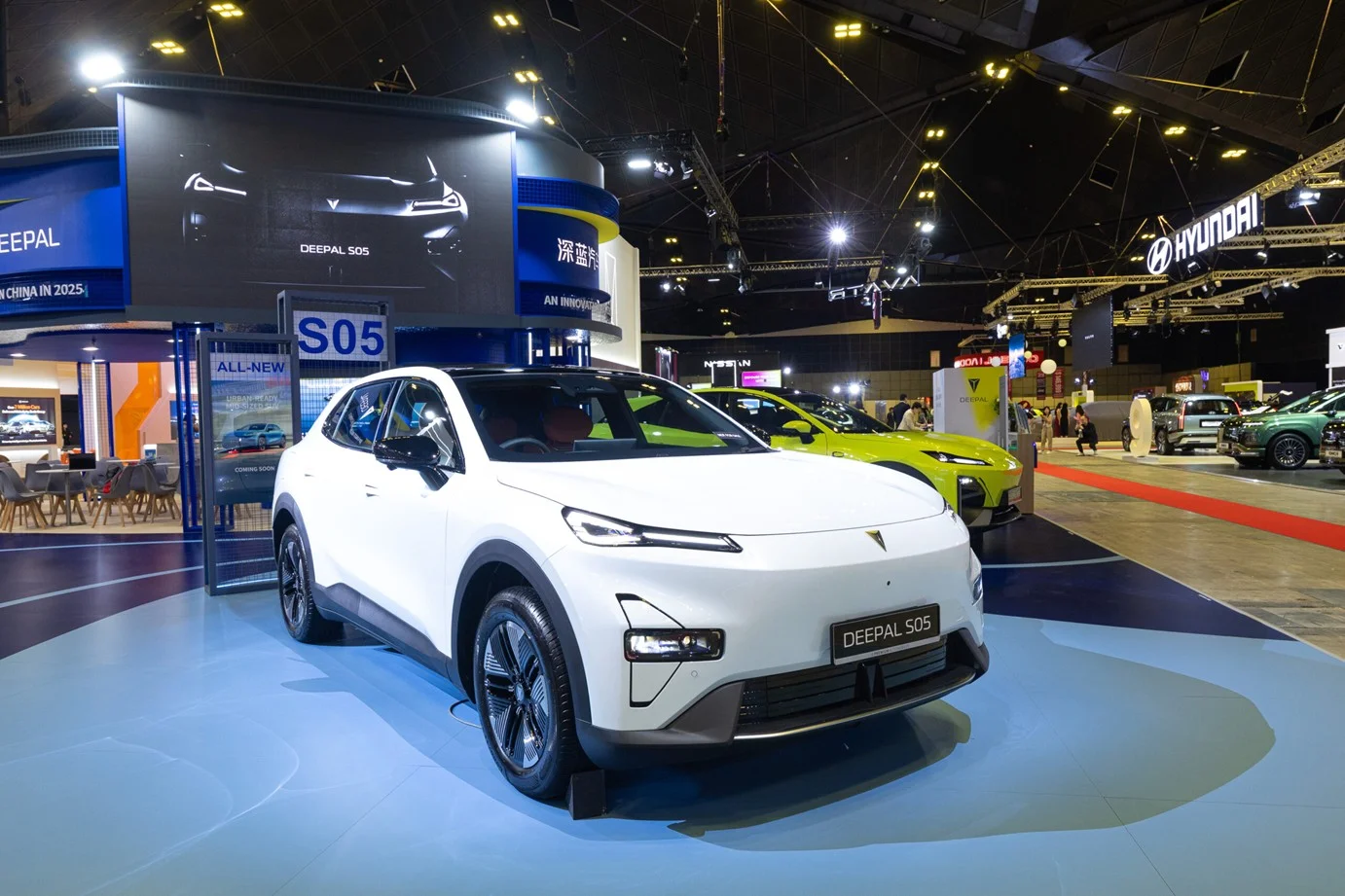
While Western laboratories have spent years publishing promising academic papers on solid-state chemistry, Chinese manufacturers have successfully transitioned from the lab to the factory floor. Backed by state-directed industrial policy and massive private capital investments, firms in China are bypassing the incremental upgrade cycle.
Industry analysts note that this rollout is not merely a conceptual demonstration or a low-volume boutique supercar project. Major Chinese battery manufacturers and original equipment manufacturers (OEMs) are integrating these lines into mass-production ecosystems, aiming to capture market share across domestic and international segments.
For the consumer, a 1,000-mile range effectively neutralizes the primary advantage of gasoline vehicles. A driver could theoretically commute for weeks, or drive from New York to Chicago, without ever plugging in or stopping at a fueling station.
Global Market Impact and Financial Implications
| Feature | Traditional Lithium-Ion (Current) | Solid-State Tech (China Rollout) |
|---|---|---|
| Average Range | 250 – 350 miles | Up to 1,000 miles |
| Electrolyte Type | Volatile Liquid | Solid Ceramic / Polymer |
| Safety Profile | Moderate (Risk of Thermal Runaway) | High (Non-flammable materials) |
| Cold Weather Performance | Significant range degradation | Minimal efficiency loss |
The economic repercussions of this rollout are already rippling through global financial markets. Traditional automakers in the West, many of which recently scaled back their aggressive all-electric timelines due to soft consumer demand and high production costs, now face an existential threat.
If Chinese automakers begin exporting vehicles equipped with 1,000-mile solid-state batteries to Europe, Latin America, and eventually North America, legacy brands risk becoming obsolete overnight. Trade regulators in Washington and Brussels are already evaluating potential tariff adjustments to shield domestic industries from an impending wave of advanced, highly efficient imports.
What Comes Next for Global Automakers?
The immediate burden of proof now rests on supply chains outside of Asia. Joint ventures between American and European automakers and tech startups will need to accelerate their own solid-state timelines—historically projected for the late 2020s or early 2030s—to avoid being left permanently behind.
However, scaling solid-state manufacturing presents steep hurdles, including high initial production costs, complex supply chains for solid electrolytes, and the challenge of manufacturing at gigawatt-hour scale without introducing microscopic defects.
As the rollout in China gathers momentum, one reality is indisputable: the era of the short-range, anxiety-inducing electric vehicle is drawing to a close. The next phase of the global transportation war will be won not on government subsidies, but in the chemistry lab and the high-speed production line.
Frequently Asked Questions
When will solid-state EVs be available to everyday consumers?
Commercial rollouts are currently underway in China, with vehicles hitting domestic roads first. Global availability will depend on export timelines, international regulatory approvals, and the speed at which foreign automakers can secure competing supply chains.
How does a solid-state battery achieve 1,000 miles of range?
By utilizing solid electrolytes instead of liquid ones, engineers can pack significantly more energy density into the same physical space. This allows vehicles to carry much larger energy reserves without adding prohibitive weight.